Selecting And Preparing Seeds And Seedlings
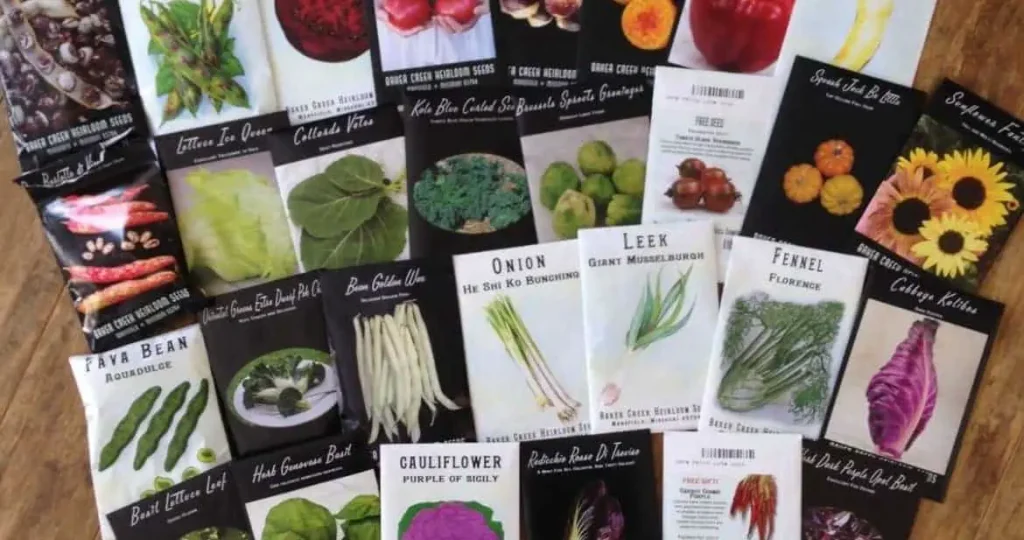
Choosing the right seeds and seedlings is crucial for a successful garden. Gardeners should select varieties that are well-suited to their local climate and soil conditions. Researching plant hardiness and growth requirements ensures that the selections will thrive in the garden’s specific environment. For those starting seeds indoors, it’s important to begin at the right time, typically several weeks before the last expected frost. Quality seed starting mix and proper containers can make a significant difference in the success of seedlings.
Preparing seedlings for transplant involves a process called hardening off, which gradually acclimates them to outdoor conditions. This process reduces transplant shock and increases the likelihood of successful establishment in the garden. Begin by placing seedlings outdoors in a sheltered area for a few hours each day, gradually increasing their exposure to sun and wind over a week or two. Ensure that seedlings are well-watered and protected from extreme temperatures during this period. Properly prepared seedlings are more robust and better equipped to handle the transition to outdoor gardening.
Implementing Pest And Disease Control Measures

Early identification and management of pests and diseases are key to maintaining a healthy garden. Gardeners should regularly inspect plants for signs of trouble, such as discolored leaves, stunted growth, or visible pests. Early spring is an ideal time to apply preventive measures such as organic pest repellents or barriers. Biological controls, like introducing beneficial insects that prey on harmful pests, can be an effective and environmentally friendly method of pest management.
Disease prevention in the garden starts with good cultural practices. Ensuring adequate spacing between plants promotes air circulation, reducing the likelihood of fungal diseases. Choosing disease-resistant plant varieties and rotating crops annually can also help minimize disease occurrence. For any identified diseases, timely and appropriate treatment is essential. Organic fungicides and practicing good sanitation by removing infected plant material can effectively manage diseases while maintaining a healthy garden ecosystem.
Pruning And Preparing Perennials

Pruning perennials in early spring is essential for promoting healthy growth and flowering. This task involves removing dead or damaged stems, as well as cutting back overgrown foliage. Pruning not only rejuvenates plants but also encourages a more compact and attractive growth habit. Each type of perennial has specific pruning needs, so it’s important to research the best practices for each species in the garden.
In addition to pruning, other preparations for perennials include dividing overgrown plants and replenishing mulch. Dividing helps to rejuvenate older plants and can also provide additional plants to fill in other areas of the garden. Applying a fresh layer of mulch around perennials helps to conserve moisture, suppress weeds, and maintain a neat appearance. Properly cared for, perennials can become the backbone of the garden, providing structure and color year after year.
Setting Up Irrigation And Mulching

An efficient irrigation system is key to a thriving garden. Early spring is the perfect time to set up or check existing irrigation systems. Drip irrigation or soaker hoses are excellent options for delivering water directly to the root zone of plants, reducing water wastage and minimizing leaf wetness that can lead to disease. Adjusting irrigation schedules according to the needs of the plants and weather conditions ensures that plants receive the right amount of water.
Mulching is another important task in early spring gardening. Mulch helps retain soil moisture, regulates soil temperature, and suppresses weed growth. Organic mulches, such as straw, bark, or compost, also contribute to soil health as they decompose. When applying mulch, be careful to leave some space around the base of plants to prevent rot and pest problems. A well-mulched garden not only looks tidy but also promotes the health and productivity of the plants.
The Bottom Line
In conclusion, preparing for early spring planting sets the stage for a successful gardening season. Each task, from selecting and preparing seeds to implementing pest control and setting up irrigation, plays a vital role in ensuring the garden’s health and productivity. The effort put into early spring preparation pays off in the form of a lush, vibrant garden. As the season progresses, these well-prepared beds and plants will become a source of joy and pride, offering a bountiful harvest and a beautiful retreat in the heart of nature.