The spring is a great time to start planting vegetables in your garden! There are many different vegetables that you can plant, and each one has its unique benefits and will produce plenty of delicious food to eat. This blog post will discuss some of the best vegetables to plant in the spring. It will also provide information on caring for them and ensuring that they grow correctly. So, if you are looking to add some new vegetables to your garden, read on!
Spinach
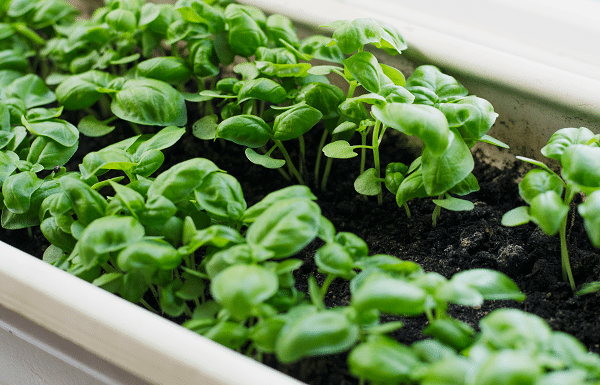
Planting spinach in the spring is a great way to stay healthy and boost your garden’s production. Spinach is full of nutritious vitamins and minerals, but it also requires relatively little maintenance to grow well. To ensure that your spinach plants stay healthy, you should start by enriching the soil with a layer of compost or rotted manure. Then, plant your spinach seeds directly into the soil, spacing them every few inches to allow plenty of room for growth.
Finally, water your spinach regularly and weed as needed. With this simple care regimen, you will soon have a bounty of fresh, leafy spinach to enjoy all season long!
Broccoli
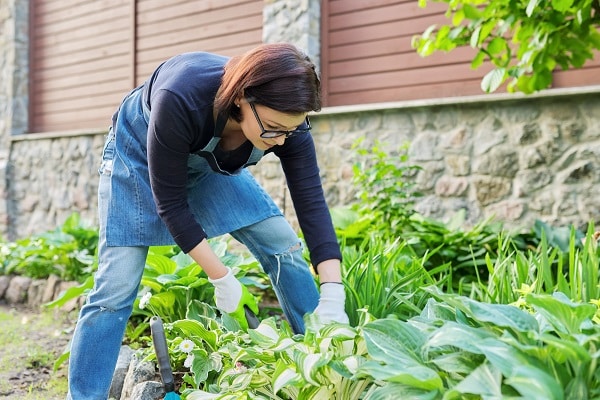
Spring is the perfect time to plant broccoli. The cool weather helps the plants to form tight heads, and the longer days mean that they get the sunlight they need to produce lots of flavorful nutrients. When planting broccoli, choose a site that gets plenty of sun and has well-drained soil. It’s also important to space the plants about 18 inches apart to have room to grow.
Once the plants are in the ground, water them deeply and regularly so that the soil stays moist but not soggy. When the heads start to form, you can apply a light layer of mulch around the plants to help keep the soil moist and discourage weeds. Enjoy! Your broccoli will be ready to harvest in about two months with just a little care.
Peas

When it comes to planting peas, the best time is in the spring. Spring is the best time to plant peas because peas thrive in cool weather and are highly sensitive to heat, making summer months unsuitable for successful growth. In addition, since peas require consistent moisture and rich soil, colder temperatures are necessary to encourage productive root growth. To successfully care for your newly planted peas, keep the plants well-watered at all times.
Additionally, add plenty of nutrients to the soil as needed with fertilizers or compost, and limit weed growth by lightly tilling the area around your peas regularly. By following these simple practices, you can help ensure that your springtime peas have all the resources to flourish and produce a bountiful harvest!