Do you have a garden? If so, you may be battling aphids this season. Aphids are small, green insects that can cause severe damage to plants. They can suck the sap out of plants, stunt their growth, or kill them outright. This blog post will discuss how to protect your plants from aphids using natural methods to help you avoid this from happening in your garden. It will also provide some tips on getting rid of aphids if they manage to take hold in your garden.
Apply Neem Oil
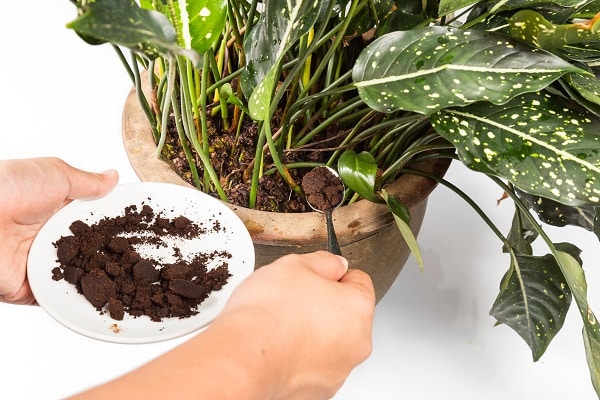
Aphids are challenging to control because they reproduce quickly and are often resistant to pesticides. However, one effective control method is to apply neem oil to your plants. Neem oil is a natural insecticide derived from the seeds of the neem tree. When applied to plants, it works by disrupting the life cycle of aphids, preventing them from reproducing.
Although it takes some effort to apply neem oil properly, it can be an effective way to protect your garden from aphids. In addition, neem oil has a bitter taste that aphids do not like, so it acts as a deterrent. To apply neem oil:
- According to the manufacturer’s instructions, mix it with water and then spray it on your plants.
- Cover the undersides of the leaves, as this is where aphids often hide.
- Repeat this process every few days.
Introduce Beneficial Insects

Many gardeners are familiar with using beneficial insects to control pests. However, many don’t know that this same principle can apply to aphids. While a few aphids may not cause severe damage to a plant, a large infestation can weaken the plant and make it more susceptible to disease. Fortunately, many beneficial insects will help to keep aphid populations in check.
You can effectively protect your plants from aphids without resorting to harmful chemical pesticides by releasing these beneficial insects into your garden. Ladybugs, for example, are voracious predators of aphids. Green lacewings and parasitic wasps are also effective at controlling aphid populations.
Use Diatomaceous Earth
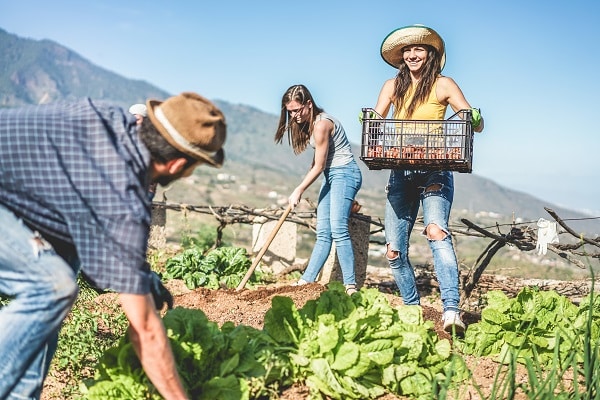
Diatomaceous earth, or DE, is a naturally occurring mineral that you can use to protect your plants from aphid invasions. This powdery substance has tiny particles that work to cut through the outer layer of an aphid’s shell, causing it to dry out and eventually die. To use DE to keep aphids at bay, sprinkle it around the base of your plants, making sure to get both the top and bottom surfaces.
For optimal results, repeat this process regularly, especially after heavy rain or heavy watering. With its proven ability to deter even the most stubborn aphids, diatomaceous earth is an excellent tool for any gardener looking to protect their plant life.
Apply Companion Plant Methods

For many gardeners, keeping aphids at bay can be one of the biggest challenges in maintaining healthy and vibrant plants. Aphids are tiny insects that feed on sap by piercing plant tissues with their mouthparts, which can cause severe damage if left unchecked. Fortunately, there are several companion planting methods that you can use to protect your plants from these pests and keep them flourishing. One effective approach is to plant mint or basil around vulnerable plants, as these strong-smelling herbs act as natural repellents for aphids.
Another strategy is to intersperse nasturtiums throughout your garden bed; the large leaves of this hearty plant offer protection by depriving aphids of the sunlight they need to survive. Finally, you can take preventative measures by installing floating row covers on the perimeter of your garden, which will create a physical barrier that keeps these insects out. With these simple but effective strategies for companion planting, you can keep your plants free from damaging herbivores like aphids and enjoy a flourishing garden year after year.