Gardening is a great way to get in touch with the natural environment, and it can be a lot of fun. But what if you want to grow your food but don’t have the space? Urban farming may be for you, but some challenges come along with this type of gardening. This article will go over some tips for urban gardeners that should help make your experience more enjoyable.
Start Small
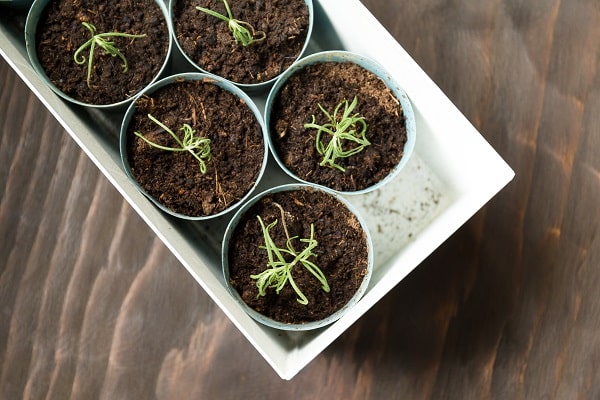
If you are new to urban farming or gardening in general, it is important not to bite off more than you can chew. Try starting small with some herbs first before moving onto more prominent and more difficult plants like tomatoes so that everything goes smoothly without any hiccups along the way! Also, if you have limited space, do some research on which plants will grow best in your area and how many can fit into the designated growing spaces you already have available.
Use Containers
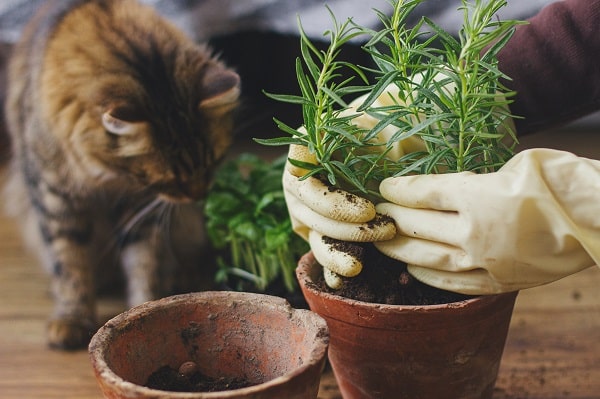
Another problem with some types of urban gardening is the lack of space for a full-blown garden bed. These can also take up quite a bit of time and energy during planting season since it usually involves heavy lifting if not appropriately done beforehand. Because of this, using pots instead can help save both money and effort while giving you access to fresh fruit and vegetables throughout the year! Make sure, however, that these containers drain well since waterlogged soil can lead to root rot.
Plant What You Eat
One common mistake people make when starting their urban garden is planting too many flowers or plants they like rather than things they eat. If you aren’t planning on eating the food you grow, it may be better to buy them at the store so you can enjoy looking at them more often. Also, you will need to give your garden more care if it contains things that you eat.
Don’t Forget About Weeds!
One thing that new gardeners often forget about is weeds. These plants tend to grow like wildfire and will take over your entire bed if given a chance. You must check your garden regularly for them during the growing season, especially after a rainfall when they are easier to spot. If you don’t want to pull these unwanted guests out by hand, make sure there is at least one or two feet between each plant to prevent their spread throughout your garden later on. Also, try planting certain types of flowers around the edges of your garden beds since this may help keep weed growth down naturally without affecting other parts of your garden much.
Create A Watering Schedule
One common mistake that people make is watering their plants too much or not enough. If you are new to gardening, it can be difficult at first to tell when exactly your garden needs water. However, the difference in taste between well-watered and under-watered veggies should give you a clear indication of what’s going on! Also, keeping a schedule for watering can help you take better care of your garden since this will prevent any problems from occurring in the first place.
Include Companion Plants
Another way to help keep weeds from coming back after herbicides have killed them off or digging them up manually is by including certain types of flowers into your garden beds alongside other vegetables. These companion plants will attract beneficial insects that prey on weed seeds while also ensuring pests stay away from your prized produce without harming them directly. Also, some flowers may naturally repel certain types of bugs while attracting other helpful ones that may help keep your garden running smoothly.