It’s essential to properly care for landscaping plants to keep your outdoor oasis looking beautiful. Whether you have a small front garden or lush backyard paradise, the proper maintenance and care can help ensure that your investment in these living elements yields long-term results and enjoyment. Fortunately, with knowledge of best practices and proper preparation, it doesn’t take much hands-on work to ensure a healthy landscape full of vibrant blooms or sturdy evergreens year after year. This post will explore how to properly select and maintain plants and provide tips on potential challenges associated with caring for them. Ready to get started? Then let’s dive into understanding just what it takes to keep your landscaping looking great!
Choosing the Right Plants for Your Landscape

Transforming your yard into a beautiful oasis of lush greenery and colorful blooms can be exciting, but choosing the right plants for your landscape can be daunting. When selecting your plants, it’s essential to consider factors such as climate, soil, sunlight exposure, and water requirements. Opting for native species can also benefit your yard by providing a habitat for local wildlife and reducing water usage.
Take your time browsing through plant nurseries and do your research to ensure that the plants you choose will thrive in your specific area. With the right choices, you can create a stunning and sustainable landscape that will be the envy of the neighborhood.
Preparing the Soil for Planting

Preparing the soil for planting is essential to having a successful garden. It’s important to begin by clearing any debris and removing any weeds. Once the area is clear, it’s time to turn the soil over using a garden fork or tiller. This breaks up clumps and allows air and water to penetrate the soil. Adding compost or fertilizer at this stage can help provide nutrients for healthy plant growth. After the soil has been tilled and amended, raking the surface is important to create a smooth, level area.
Finally, water the soil thoroughly to help settle it and prepare it for planting. With proper preparation, the soil will provide a healthy environment for your plants to grow strong and produce delicious fruits and vegetables.
Planting Techniques for Healthy Growth
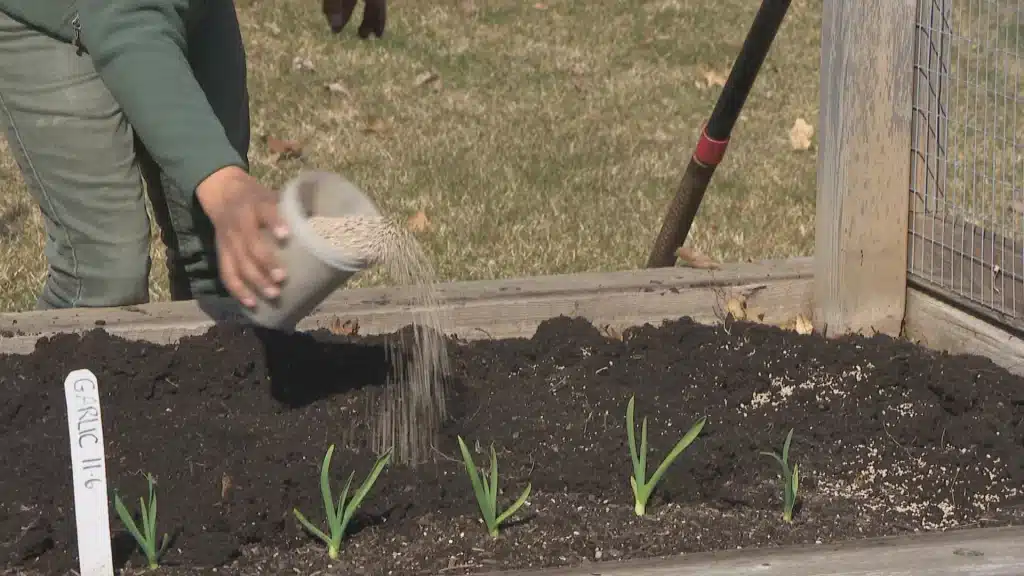
Planting a garden can be a rewarding experience, but it can be frustrating when plants fail to thrive. Fortunately, there are techniques you can use to ensure your plants grow healthy and strong. Begin by preparing your soil, whether adding compost or other amendments or loosening it up to promote root growth. Make sure you choose the right plants for your specific climate, as different species thrive in different conditions. When it comes time to plant, follow the appropriate spacing and depth guidelines for each plant.
Finally, remember to provide adequate water and nutrients to your garden, whether that means investing in an irrigation system or simply fertilizing regularly. By following these planting techniques, you’ll be on your way to a successful and bountiful garden in no time.
Watering Your Landscaping Plants

A picturesque garden or a beautifully manicured lawn is a dream for many homeowners. However, adequate watering is key to maintaining a healthy and lush landscape. When it comes to watering, many believe that more is always better. However, this notion could not be further from the truth. Overwatering can lead to waterlogged roots, resulting in root rot and ultimately killing your plants. On the other hand, underwatering your plants can cause wilting and browning of foliage and stunted growth.
So, the key is to find the right balance. Water your plants deeply and less frequently, allowing the soil to dry out before each watering. This will encourage your plants to develop deeper roots and become more drought-tolerant. By following these guidelines, you can ensure that your landscape will thrive and impress anyone who lays eyes on it.