Do you love spending time outdoors surrounded by beautiful plants and flowers? If so, you may want to consider growing your botanical garden. It can be a fun and rewarding experience, and it doesn’t have to be complicated or expensive! This article will provide tips for starting and maintaining your botanical garden. So read on for helpful advice on everything from choosing the right plants to dealing with pests and diseases.
What Is A Botanical Garden?

A botanical garden is more than just a place to admire beautiful plants and flowers. It is a living, ever-changing ecosystem that fosters scientific inquiry and an appreciation for nature. Designed with specific plant communities, botanical gardens are typically divided into distinct environments, such as forests and meadows, wetlands and grasslands, or arid regions like deserts or tundra. This allows you to explore different biomes and observe the natural plants and animals within those unique environments.
Deciding Which Plant Community You Want To Grow
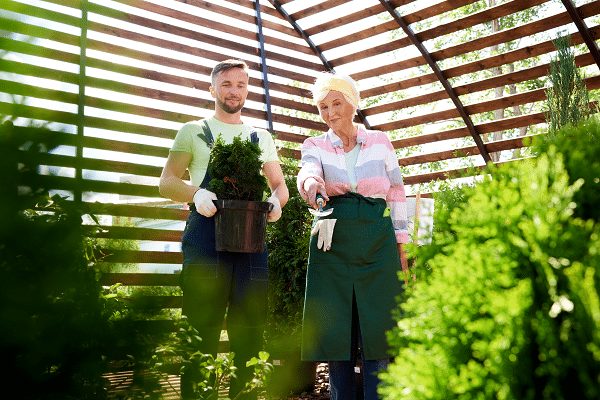
A botanical garden is more than just a collection of pretty flowers. To create a thriving and diverse ecosystem, it’s essential to carefully select the type of plant community you want to grow. One option is to choose plants that are native to your region. This will help to ensure that the plants are well-suited to the local climate and soil conditions. Additionally, native plants are often low-maintenance, and they can provide valuable habitat for local wildlife.
Another option is to choose plants from particular biomes, such as desert, tropical or temperate forests. This can give your garden a unique character, and it can be a fun challenge to see which plants will thrive in the different conditions. Whatever you decide, selecting the right plants for your botanical garden will help ensure that it is a beautiful and thriving environment.
Designing The Layout Of The Garden
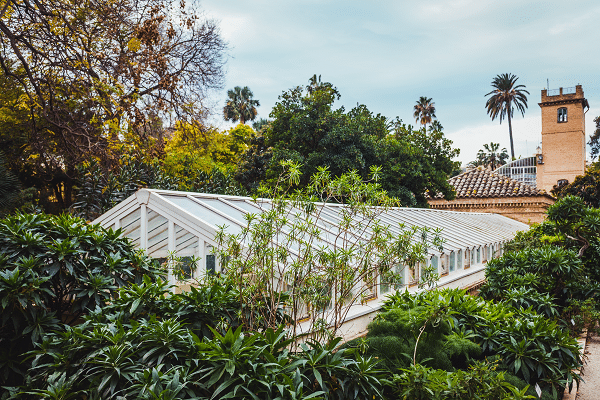
There are many considerations to consider when designing the layout of your botanical garden. The location, size, and terrain of your park will all play a role in determining how best to orient your plants. You may want to consider where the sun shines most brightly or where there is plenty of shade if you’re creating a particular type of garden atmosphere. You should also assess your soil conditions and work with what you have.
Finally, it’s essential to consider the needs and preferences of different plant species as you design your garden layout. For example, if you have clay soil that compacts easily, you may want to install raised beds or other planting systems that allow for proper drainage. In doing so, you can cultivate a vibrant and beautiful space that truly showcases the diversity of nature.
Keep Detailed Records Of Your Plants
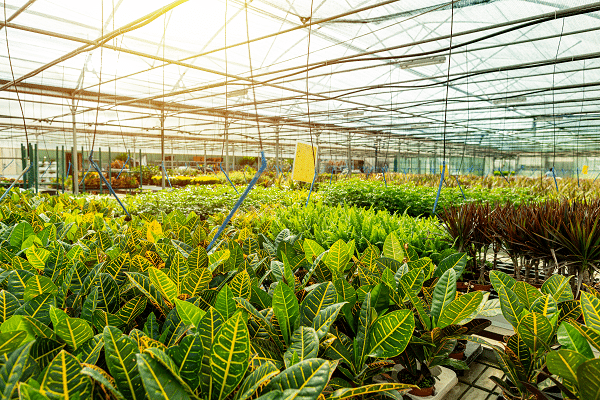
Maintaining a botanical garden can be challenging, requiring care and attention to detail. One of the most important aspects of garden maintenance is keeping extensive records of plant growth. This allows you to monitor changes over time, identify patterns in growth, and make any necessary adjustments as needed. Some critical information that you should include in your records consists of the name and variety of each plant, its current size and condition, and any external factors that could potentially impact its health, such as weather conditions or pests.
Furthermore, by tracking environmental conditions like temperature and humidity, you can get a complete picture of what your plants need to thrive in their environment. Ultimately, maintaining detailed records will allow you to better care for the plants in your botanical garden and ensure that they continue to flourish for years to come.