Attending To The Plants
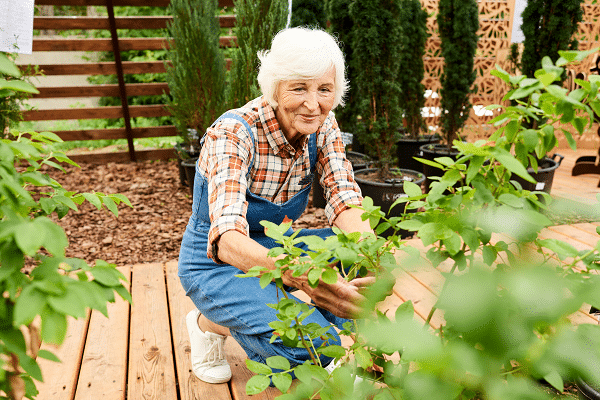
Once you have designed and planted your botanical garden, it’s time to start attending to the needs of your plants. This includes tasks like watering, weeding, mulching, and fertilizing. While some of these tasks may seem straightforward, it’s essential to take care doing them properly to avoid damaging your plants. For instance, overwatering can lead to root rot, while underwatering can cause the leaves of your plants to wilt and drop off.
Similarly, using the wrong type of fertilizer can harm delicate roots, so it’s crucial to choose a product that is specifically designed for the kind of plants you are growing. By taking the time to attend to the needs of your plants, you can ensure that they stay healthy and continue to thrive in your botanical garden.
Protecting Your Plants

Maintaining a botanical garden is no easy task. You need to be vigilant about everything from the sunlight and soil conditions to each plant’s humidity and water availability. But perhaps the most important factor in protecting your plants is a good layer of protection. Whether it’s a sturdy fence that keeps out pests or delicate netting that protects against inclement weather, your plants will be more likely to thrive when they’re adequately shielded from outside dangers.
At the same time, regular maintenance can also help protect your plants by ensuring that their habitats are as healthy as possible. So if you want your botanical garden to be a vibrant, lush space full of life, make sure you have an effective plan for protecting its precious inhabitants.
Avoiding Diseases In Your Botanical Garden

You can take many steps to minimize the risk of diseases infecting your plants, including using pest-resistant varieties and giving your plants plenty of space to grow. Another helpful strategy is implementing regular plant maintenance practices, such as pruning and weeding. This helps to eliminate potential breeding grounds for harmful pests and fungi, but it also allows you to catch outbreaks early on and take corrective action before they can spread through your garden. Through these steps and others, you can help keep your botanical garden flourishing with healthy plants.
Harvesting Mature Plants

When harvesting mature plants in your botanical garden, there are a few key things to keep in mind. First, you will want to work slowly and carefully to ensure that you do not damage the plant’s roots or its surrounding soil. When pulling a plant from the ground, lever it out gently using a trowel or similar tool. Once the plant is out of the ground, carefully brush off any excess soil or organic material from its roots using your fingers.
Then, trim off any dead leaves or branches from the plant as needed before placing it in your storage bin. Finally, remember to compost any debris from the one removed to avoid wasting precious nutrients! With these tips in mind, you can successfully harvest mature plants from your botanical garden and promote growth for future generations of plants.
Get To Work On Your Own Botanical Garden
Growing your botanical garden can be a fun and rewarding experience. From attending to the needs of your plants to protecting them from diseases, taking care of your botanical garden is an ongoing process. But with a bit of patience and effort, you can create a beautiful and thriving space. Keep in mind the value of growing your botanical garden – it’s truly priceless!