

Herbs are an excellent addition to any garden, regardless of the climate. There’s a variety of herbs that can be grown in any climate that come with various benefits. You can use herbs for cooking, medicinal purposes, or for aesthetic value. If you’re looking to add herbs to your garden, below is a list of herbs you can grow in any climate.
Rosemary
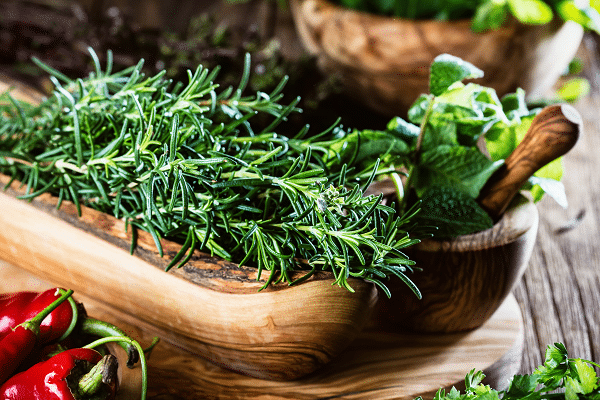
Rosemary is a hardy herb that can thrive in any climate, making it an excellent choice for both beginning and experienced gardeners. Native to the Mediterranean, rosemary is tolerant of hot, dry summers and cold, wet winters. It can be grown annually in colder climates or as a perennial in zones 8-10. It is also relatively low-maintenance, requiring only occasional pruning to keep it healthy.
Rosemary also has many other benefits. It’s an excellent companion plant, repelling pests such as cucumber beetles and carrot flies while attracting bees and other pollinators. It’s also a beautiful addition to the garden, with delicate blue flowers and deep green leaves. So whether you’re looking for an easy-to-grow herb or a plant that will add some visual interest to your garden, rosemary is a great choice.
Mint
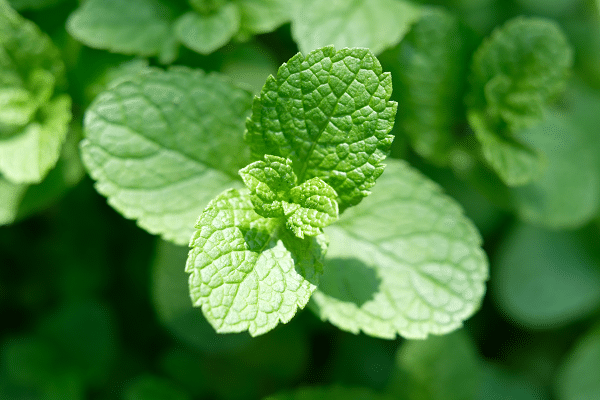
Fresh mint is a versatile herb that can add a zesty flavor to salads and soups, cocktails, and desserts. And the best part is that mint is incredibly easy to grow, regardless of your climate. If you’re thinking about adding mint to your garden, there are a few things to consider.
First, mint tends to spread rapidly, so it’s best to plant it in a pot or raised bed where you can contain it. Second, mint prefers moist soil, so water it regularly. And finally, mint is a relatively shade-tolerant plant, so it’s a good choice for gardens with limited sunlight.
Whether you’re a seasoned gardener or a complete novice, mint is a great herb to add to your garden. Once established, mint is an incredibly hardy plant that requires very little care. Mint can become invasive if left unchecked, so give it plenty of room to spread out.
Lemon Balm
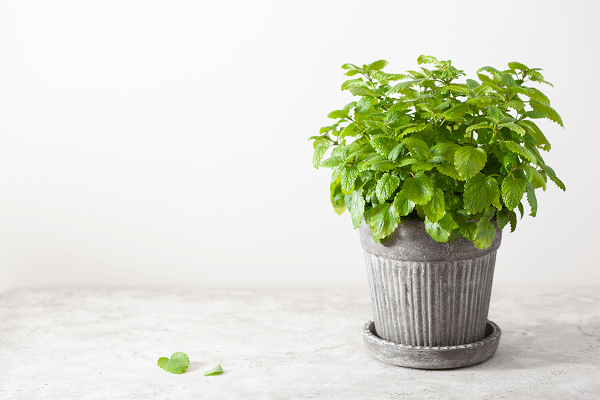
Lemon balm (Melissa officinalis) is a member of the mint family known for its appealing lemon scent and flavor. In addition to its pleasant aroma, lemon balm has many benefits. You can use it to soothe an upset stomach, relieve anxiety, and even repel mosquitoes. This herb is easy to grow and can thrive in various climates, making it a great addition to any garden.
When planting lemon balm, give it plenty of room to spread, as this herb can become quite invasive. Lemon balm will make a welcome addition to any garden with a bit of care.
Basil
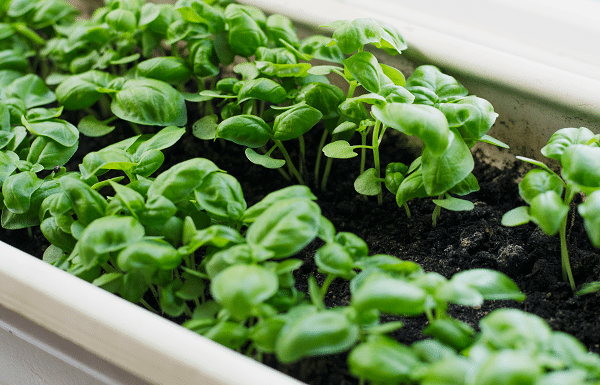
If you’re looking for an herb that can grow in any climate, basil is a great option. This delicious and versatile herb thrives in warm weather and can tolerate cooler temperatures. Basil is relatively easy to care for and doesn’t require much attention.
In addition, basil is resistant to many common diseases that can affect other herbs. For example, it is not susceptible to fusarium wilt, a fungal infection that often affects tomatoes. However, it does need well-drained soil and plenty of sunshine.
Whether you’re a seasoned chef or a beginner cook, basil is an herb that you’ll want to have in your kitchen. When harvesting basil, cut the stems back by about half. Cutting the stems back will encourage the plant to produce more leaves. Basil can be used fresh or dried and is an excellent addition to many different dishes.