

The Overlooked Factor: Plant Stress and Disease

Over-fertilization can lead to plant stress, manifesting as stunted growth, leaf burn, or even death. Plants are equipped to absorb nutrients within a specific range; beyond this, the osmotic balance can be disrupted, leading to an inability to absorb water—effectively causing the plants to starve in a sea of nutrients.
This stress also leaves plants more susceptible to diseases and pest infestations. The weakened plants are less able to fend off attackers and are more likely to succumb to diseases that healthy plants would normally resist. As a result, over-fertilization inadvertently diminishes plant health and crop yields, contrary to the intention of using fertilizers.
Signs of Over-fertilization to Watch For

Detecting over-fertilization requires vigilance. Indicators include the buildup of a white crust of fertilizer on the soil surface, yellowing and wilting of lower plant leaves, and brown edges on leaves. These symptoms, however, can be easily mistaken for other plant problems, such as diseases or inadequate watering.
Growers must monitor soil nutrient levels through regular testing, which can prevent over-fertilization. This awareness allows for the adjustment of fertilization practices, safeguarding against the application of unnecessary and harmful excess nutrients.
Best Practices for Responsible Fertilization
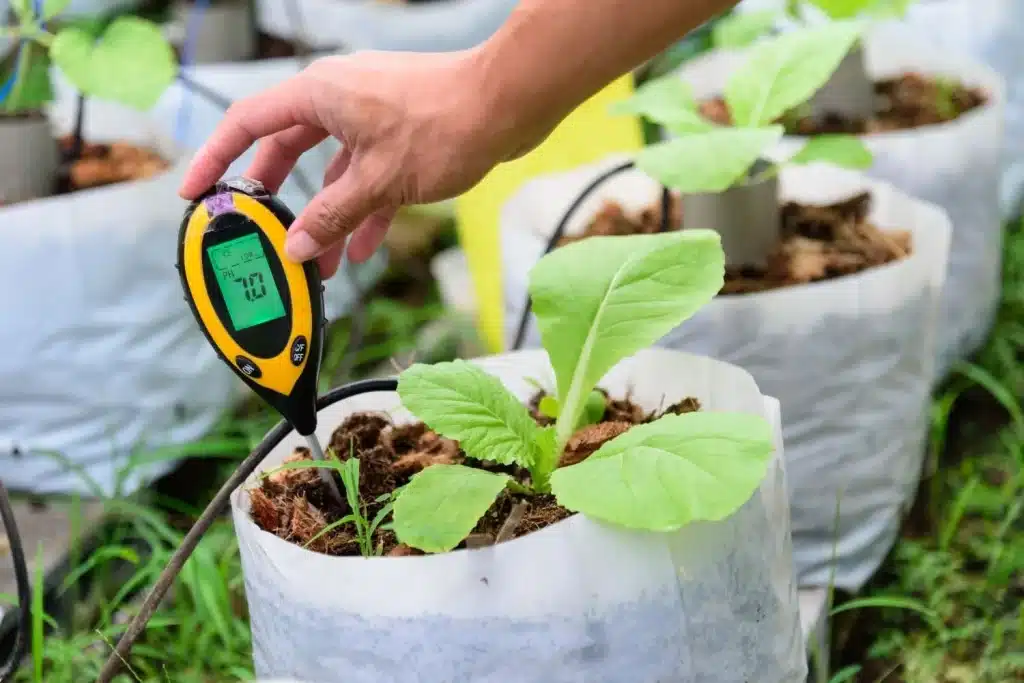
Responsible fertilization involves understanding the specific nutrient needs of plants and the existing soil nutrient levels. Utilizing soil tests can guide the formulation of a nutrient management plan, ensuring that plants receive the optimal amount of fertilizer. Additionally, incorporating organic fertilizers and slow-release nutrients can help mitigate the risks of over-fertilization.
Techniques such as crop rotation, intercropping, and cover crops can also improve soil health and reduce the need for chemical fertilizers. These practices contribute to the ecological balance, preventing the leaching of nutrients and promoting sustainable agriculture.
The Way Forward: Sustainable Agriculture

Embracing sustainable agriculture practices is the way forward in preventing over-fertilization. This approach includes the integration of plant, animal, and soil sciences to optimize crop production, enhance environmental quality, and conserve resources. Advancements in technology, such as precision farming, can ensure the accurate application of fertilizers, reducing waste and environmental impact.
Educating farmers and the public about the benefits of sustainable practices is also paramount. Knowledge dissemination can lead to the widespread adoption of eco-friendly farming techniques, reducing the dependency on chemical fertilizers and promoting the overall health of the ecosystem.
The Bottom Line
Over-fertilization is a pressing issue with far-reaching consequences that can undermine the very essence of agricultural productivity and environmental sustainability. Through vigilant monitoring, responsible fertilization practices, and a commitment to sustainable agriculture, these hidden dangers can be mitigated. It is incumbent upon everyone involved, from individual gardeners to large-scale farmers, to recognize the critical balance required in fertilizer use and act to safeguard the health of our planet and its inhabitants.