Creating a beautiful butterfly garden is an enriching endeavor that transforms your garden into a vibrant haven for these delicate creatures. It provides an opportunity to engage with nature while enhancing the ecological balance in your area. This guide will outline the steps to design, plant, and nurture a garden that not only attracts but sustains a diverse butterfly population. From selecting the optimal location to choosing the right mix of plants, you’ll learn how to create a sanctuary that flourishes throughout the year.
Choosing the Right Location

Selecting an ideal location is the first crucial step in establishing a butterfly garden. Butterflies and the plants that attract them thrive best in sunny conditions, so finding a spot that receives at least six hours of direct sunlight each day is essential. This exposure ensures that the plants are vigorous and produce abundant nectar, which, in turn, attracts more butterflies. Moreover, a sunny spot helps butterflies warm their bodies, which is vital for their activity and survival.
However, it’s equally important to protect these delicate insects and their habitat from harsh winds. A location that is too exposed can lead to damaged butterfly wings and disturbed plants, reducing the garden’s attractiveness to these pollinators. Therefore, choosing a spot that offers natural windbreaks, such as a fence, hedge, or the side of a building, can provide the necessary shelter. This creates a stable environment where butterflies can feed and rest without undue stress.
Selecting Butterfly-Attracting Plants

The heart of any butterfly garden is its selection of plants. Native species are particularly effective because they have co-evolved with local butterflies and cater to their specific needs more effectively than non-native varieties. These plants generally require less maintenance, are more resilient, and integrate seamlessly into the local ecosystem. This adaptation is beneficial not only for the butterflies but also for the overall health of your garden.
It’s important to choose a variety of plants that will provide both nectar for adult butterflies and food for their larvae. For example, while milkweed is famously known for attracting monarch butterflies, other plants like lavender and zinnias offer rich sources of nectar for a variety of species. Planning for a succession of blooms from early spring to late fall ensures that your garden remains a perennial attraction. This diversity sustains a wider range of butterfly species and enhances the garden’s aesthetic appeal throughout the seasons.
Designing Your Garden Layout

The layout of your butterfly garden should be strategically planned to optimize both plant health and visitor enjoyment. Consider the sightlines from your home and create paths that allow you to enjoy the garden without disturbing the butterflies. Pathways should be wide enough to comfortably walk through and maintain the garden. This thoughtful placement of paths and plant beds enhances your interaction with the garden, making it more enjoyable and accessible for upkeep.
Visual structure is key in garden design. Arrange plants in a tiered fashion, with taller plants at the back of your garden beds and shorter ones in front. This creates an aesthetically pleasing gradient and allows all plants to receive adequate sunlight. Additionally, this arrangement ensures that visitors can see a variety of butterflies at different heights and depths, engaging with the full spectrum of your garden’s offerings.
Planting Tips

Before planting, it is crucial to prepare the soil properly. Enriching the soil with compost provides the nutrients necessary for plants to thrive and produce the nectar needed to attract butterflies. Testing the soil and adjusting its composition ensures that it meets the specific requirements of the plants you have chosen. Proper soil preparation prevents common problems like undernourishment and waterlogging, which can adversely affect plant health and nectar production.
When planting your selected flora, consider the spacing and depth requirements for each species. Overcrowded plants can compete for resources, leading to weaker growth and less nectar production, which in turn can decrease butterfly attraction. Proper spacing facilitates good air circulation, essential in preventing many plant diseases. Thoughtful placement of plants according to their mature size will ensure that each has enough space to flourish, ultimately supporting a healthier and more vibrant butterfly garden.
Creating a Butterfly-Friendly Environment
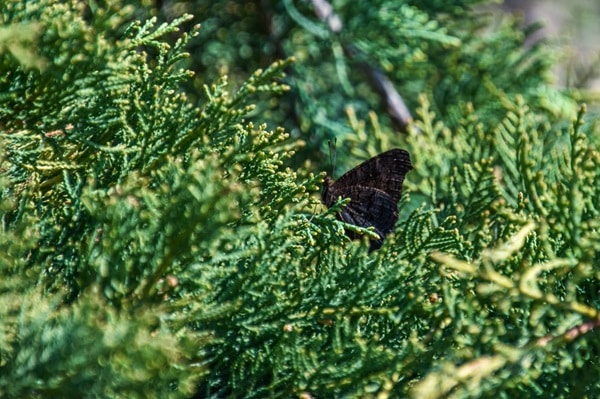
Creating an environment that caters to the needs of butterflies involves more than just selecting the right plants. Adding elements like water features can greatly enhance the attractiveness of your garden to butterflies. Shallow water dishes or small puddles mimic natural conditions where butterflies typically drink and absorb minerals. This not only helps in hydrating them but also in providing essential nutrients needed for their survival.
Apart from water sources, providing adequate shelter is crucial for butterfly safety and comfort. Utilizing natural elements such as rocks for them to bask on or dense shrubs where they can hide from predators creates a safe haven for these delicate creatures. These features encourage butterflies to stay longer and return more frequently, effectively establishing your garden as a reliable sanctuary for various butterfly species.
Maintaining Your Butterfly Garden

Regular maintenance is key to ensuring your butterfly garden remains a thriving habitat for its winged visitors. Routine tasks such as watering, weeding, and mulching are essential to keep the garden healthy. Especially important is the practice of deadheading flowers, which encourages more blooms and extends the flowering period, thus providing a consistent food source for visiting butterflies.
Additionally, pest management must be approached with care to avoid harming the butterflies. Opt for organic pest control methods such as introducing natural predators like ladybugs or using neem oil. These methods help maintain the ecological balance and prevent damage from common garden pests without the use of harsh chemicals that could be detrimental to both plants and butterflies.
Encouraging Butterfly Visitation

To maximize butterfly visitation, consider providing supplemental feeding stations during periods when natural nectar sources are scarce. Artificial nectar can be made from a simple sugar water solution, which, when placed in strategic locations around the garden, can attract a variety of butterflies. This ensures that butterflies have access to the necessary nutrients throughout the year and increases the chances of observing a diverse range of species in your garden.
Attracting a diverse butterfly population involves understanding and catering to the specific preferences of different species. Planting a wide range of flowers and maintaining different habitats within the garden, such as sunny open areas and shaded wooded spots, can attract different types of butterflies. This diversity not only adds beauty and interest to your garden but also helps to support a broader spectrum of the local butterfly population.
Nurturing Nature’s Delicate Dancers
Cultivating a butterfly garden is a rewarding endeavor that enhances your connection with nature and supports local ecosystems. By nurturing a variety of plants and creating a welcoming habitat, you not only invite beauty into your life but also contribute to conservation efforts. This living sanctuary offers a unique opportunity to witness the fascinating lifecycle of butterflies, providing endless enjoyment and education for all who visit.