Use The Right Type Of Soil
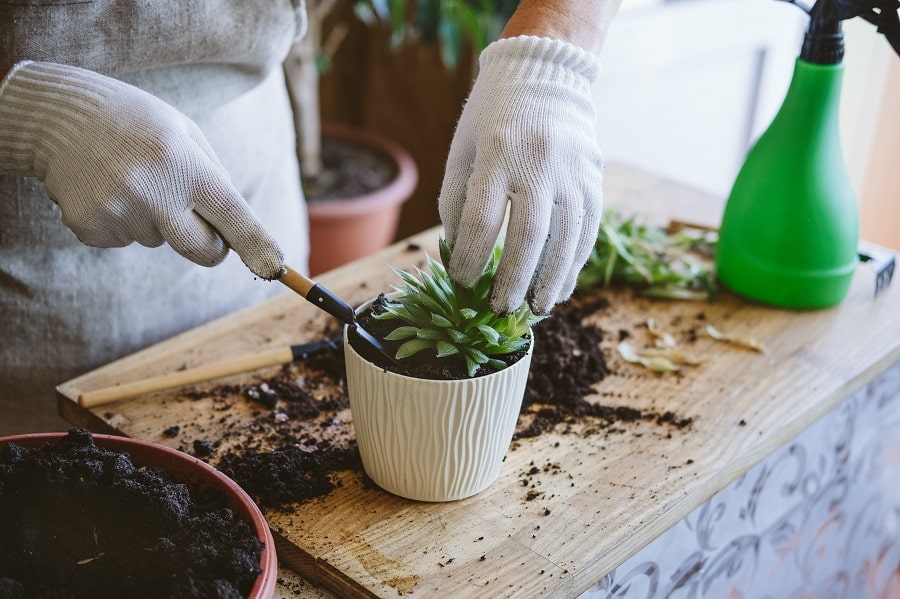
If you want to grow a successful herb garden, it is essential to select the right type of soil. Depending on the individual plants you wish to cultivate and the local climate conditions, there are several different options to choose from. For example, nutrient-rich soils with higher moisture levels are a good choice for herbs that prefer more humid environments, such as mint or basil. In contrast, dry and sandy soil is better suited for herbs like sage and rosemary that need lots of sunlight and can tolerate dry conditions.
When choosing your soil, it is also important to consider any companion plants that you would like to include in your garden. As long as they have similar needs in terms of sunlight and water level, they can work well together as companions and help each other thrive. By focusing on these key factors, you can establish the perfect conditions for growing an herb garden that will flourish all year round.
Fertilizing Your Herbs

Fertilizers help to maintain the health and vitality of your herb plants by providing the necessary nutrients for strong growth and development. There are many different types of fertilizers out there, but they can generally be classified as organic or synthetic, depending on their origin. For example, man-made fertilizers will typically contain chemical elements that are derived from human activity, while natural organic fertilizers may contain substances like compost or seaweed extracts. Ultimately, it is up to you to decide which type of fertilizer is best suited for your particular needs and preferences.
However, no matter what type of fertilizer you choose, it is always important to find the right balance between too little and too much – excessive fertilization can actually harm plants by depleting essential soil nutrients or causing ongoing damage to the delicate foliage. So when growing an herb garden, it’s key to exercise moderation and patience when adding fertilizer in order to achieve optimal results.
Only Water When Needed
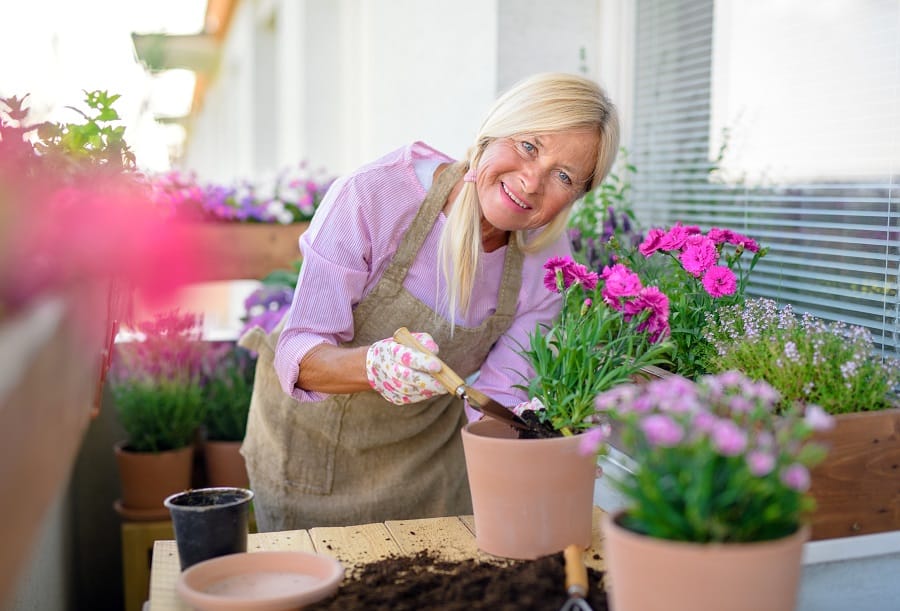
To best care for your herbs, you should only water the plants when needed. Not only does frequent watering wastewater, but it can also damage the roots of the herbs and lead to plant disease and even death. Instead, it is best to wait until the soil around your herbs starts to feel dry before adding a bit of water. At that point, you can water them regularly for a couple of weeks until you notice that the soil begins to feel moist again.
Moreover, keeping an eye on soil moisture levels can help you to identify which herbs need more or less attention, depending on their individual needs. Thus, by simply monitoring how much—and how often—your herb garden needs watering, you can ensure that your plants are receiving optimal care and enjoying long and healthy lives.
Harvest Your Herbs Regularly
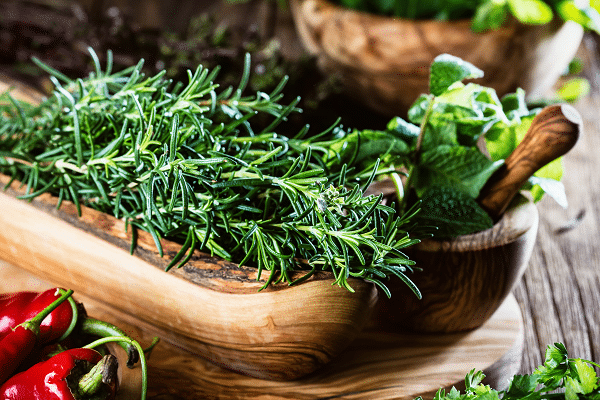
Last but not least, another key element of successful herb gardening is regular harvesting. This involves carefully cutting back the leaves and stems of your plants on a consistent basis in order to encourage new growth. When harvesting, be sure to use sharp scissors or shears in order to avoid damaging the plant tissue. In addition, it is best to harvest early in the morning before the plants have had a chance to warm up in the sun.
Not only does harvesting help to keep your herbs healthy and vibrant, but it also allows you to enjoy the fruits of your labor! After all, what’s the point of having an herb garden if you’re not going to use the fresh herbs in your cooking?
Your Ready To Create Your Perfect Herb Garden!
By following these simple tips, you can create the perfect herb garden that will provide you with fresh herbs all year round. Just remember to choose the right location and soil type for your plants, fertilize carefully, water only when necessary, and harvest regularly. With a bit of time and effort, you’ll be well on your way to becoming a master herb gardener in no time. And don’t forget to enjoy the process – herb gardening can be a very therapeutic and rewarding hobby.