
Select Plants That Are Compatible With Your Soil Type
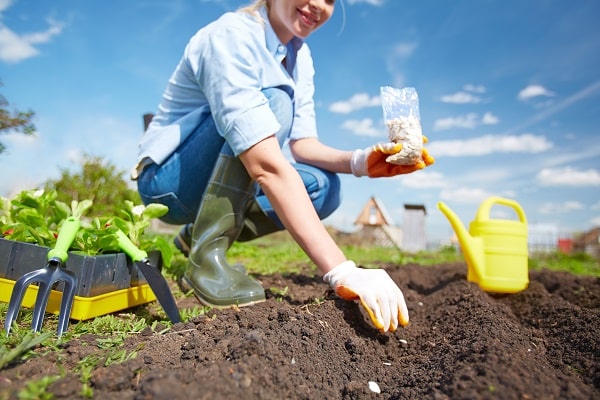
Another critical factor to consider when picking out plants is your soil type. Not all plants grow well in all kinds of soil, so it’s essential to select plants compatible with the kind of soil you have. To find out what type of soil you have, take a soil sample and have it tested.
There are many different types of plant life, such as flowering vines like morning glory or honeysuckle, which can attract various beneficial insects to your garden. If you know you have hedgehogs, birds in the yard, bugs, and more, consider adding a water feature to your garden.
Plant In Numbers
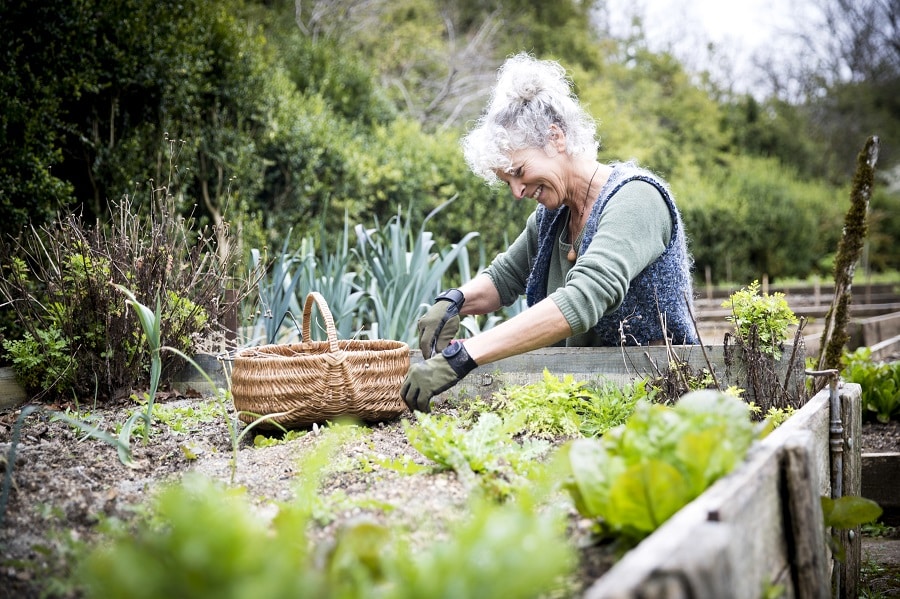
When planting trees and shrubs, always leave enough space for them to grow – at least two feet around small plants and five feet around large plants. When filling in a border or bed, always plant in odd numbers. This looks more natural and pleasing to the eye, but it also helps avoid creating ‘plant islands’ where pests can easily assemble.
Make sure that you don’t overcrowd your garden with too many of the same type of plant; this will make it easier for pests and diseases to take hold. Instead, try to mix different plants to all benefit from each other.

Finally, always remember how much time you have on hand and wish to devote to maintaining your garden planting ideas to keep your outdoor space looking its best. There are several low-maintenance garden ideas for people who want a self-sustaining garden. Topiary, for example, is straightforward to maintain, and box plants require clipping once or twice a year.
Choosing easy-to-care-for choices that provide visual intrigue and intriguing focal points while also providing a nice sound backdrop to any planting design is a great way to add interest. Also, suppose you tend to forget to water your garden, select comfortable plants without being watered too often. In that case, lavender and pelargoniums are excellent choices and shamrocks. However, if you’re a beginner, roses may be too difficult.
Conclusion
The best way to pick the right plants for your garden is to consider all of the factors that will affect plant growth in your specific garden. By considering climate, soil type, and garden visitors, you can narrow down your options and choose plants that are more likely to thrive in your particular environment. And, by thinking about things like aesthetics and maintenance requirements, you can ensure that you end up with a garden that you love spending time in. So get out there and start planning your dream garden today!


