Add New Soil Or Potting Soil To The Plant

Before you re-pot your plant, you must add new soil or potting soil to the plant’s roots. New soil ensures that there is enough room for nutrients and oxygen to get into the root system even once you take out all of the flooded water. To add new soil, scoop some out from under your plant that appears healthy. You should then place this soil in a coffee filter or something similar to remove excess water. After this, you can safely re-pot your plant into the new soil.
Place The Plant In The Sun
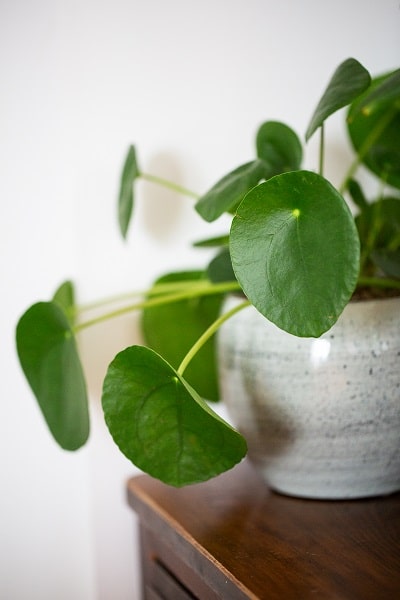
Once you have finished adding new soil and transferring your plant back into its pot, it is time to place the plant in the sun. At this point, direct sunlight will help dry up any excess water that may still be present in your soil. After placing your plant in the sun, take a dry towel and pat them down if you notice any wet spots. Just be sure not to let the plant sit in direct sunlight too long. This can lead to damage from sun exposure which can also be very harmful to your plant.
Monitor The Plant For A Few Weeks
If your plant is suffering from too much watering, it will take some time for its roots to reform and repair themselves. After you finish rescuing your plant, be sure to monitor it for a few weeks. If there are any lingering signs of damage or if your plant does not look healthy, contact your local gardening center for help. They can give you more specific advice on whether your plant is beyond repair or not.
Tips For Future Watering
If you know for sure that you have overwatered your plant, you can take some precautions to ensure it does not happen again:
- You can use a smaller pot. A smaller pot will force you to water the plant less often and give it enough time for its roots to receive proper oxygen between watering.
- Before watering your plants each day, you should check to see if they need it. You can do this by sticking your finger in the soil and feeling for moisture. If the soil is dry, you should water your plant.
- You can research the proper watering cycles needed for your plant to ensure it is getting all the water it needs and not getting excess water that will cause harm.
Conclusion
If you overwater your plant, it needs immediate care to save its root system. If you act quickly, your plant should be back in good condition in no time. Just be careful when handling a damaged plant damaged. This can be especially true if the roots have been overwatered, as they may feel a little mushy and fragile and can easily be destroyed. When caring for a damaged plant, the last thing you want to do is to cause it even more harm!