

Vegetables are a vital part of our daily diet, providing essential nutrients that support our overall health. They are also an integral part of diverse culinary traditions worldwide. However, one common challenge that many face is storing these healthful foods for extended periods without losing their freshness and nutritional value. This article will guide you through the art of storing vegetables for long-term use, ensuring that you can enjoy your favorite veggies anytime, irrespective of the season.
The Science Behind Storing Vegetables

Vegetables, fascinatingly, continue their life processes even after being harvested. This means they are continuously respiring, aging, and eventually decaying, leading to spoilage if not stored correctly. Understanding this can help us make better decisions about how to store our veggies. Temperature, humidity, and light are the three main factors that affect the longevity of stored vegetables. Each vegetable has its own preferred conditions, making it a bit tricky to store different vegetables together.
Moreover, the enzymes within vegetables continue to operate, leading to changes in color, texture, and flavor over time. By controlling the storage conditions, you can slow down these processes, extending the shelf-life of your veggies. Let’s explore different techniques and environments that can help us achieve this.
Key Techniques For Storing Vegetables
There are several methods to store vegetables for extended periods, including refrigeration, freezing, canning, and drying. Each method has its advantages and disadvantages and is suitable for specific types of vegetables. For instance, refrigeration is ideal for leafy greens and certain root vegetables, while canning or drying is better for tomatoes, peppers, or beans.
Understanding these methods and their appropriate applications can significantly reduce waste, save money, and ensure a steady supply of nutritious vegetables in your kitchen. Now, let’s delve into each of these methods in detail.
Storing Vegetables In The Refrigerator
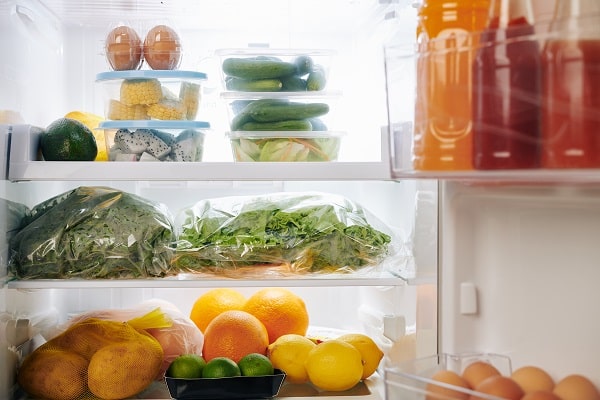
Storing vegetables in the refrigerator is perhaps the most common method used by many households. The cool temperature slows down the aging process of vegetables, while the controlled humidity prevents them from drying out. Leafy greens, broccoli, bell peppers, and cucumbers are examples of vegetables that benefit from refrigeration.
However, it’s essential to remember that not all vegetables appreciate the cold. Tomatoes, for instance, lose their flavor in the fridge, while potatoes turn starchier. Always keep your vegetables in the crisper drawer if possible, and avoid washing them before refrigeration, as moisture can lead to mold and quicker spoilage.
Freezing Vegetables For Long-Term Use

Freezing is a fantastic way to preserve the nutritional value of vegetables while extending their shelf life. This method involves blanching the vegetables first (briefly boiling and then plunging them into ice water) to kill off enzymes that cause aging.
After blanching, dry the vegetables thoroughly before packing them into freezer-safe bags or containers. Be sure to remove as much air as possible to prevent freezer burn. With proper preparation, frozen vegetables can last for several months, providing a convenient solution for out-of-season produce.