Pruning plants is a vital practice that promotes their health, encouraging lush foliage and vibrant blooms. However, many novice and seasoned gardeners alike often overlook its significance or inadvertently make mistakes that can have long-lasting impacts on their plants’ health and growth. This post will discuss some of the common pruning mistakes that can harm your plants and provide expert advice on how to avoid them. Whether you are a gardening enthusiast or a professional horticulturist, this guide will help you ensure that your plants remain robust and beautiful year after year!
The Fundamentals Of Pruning
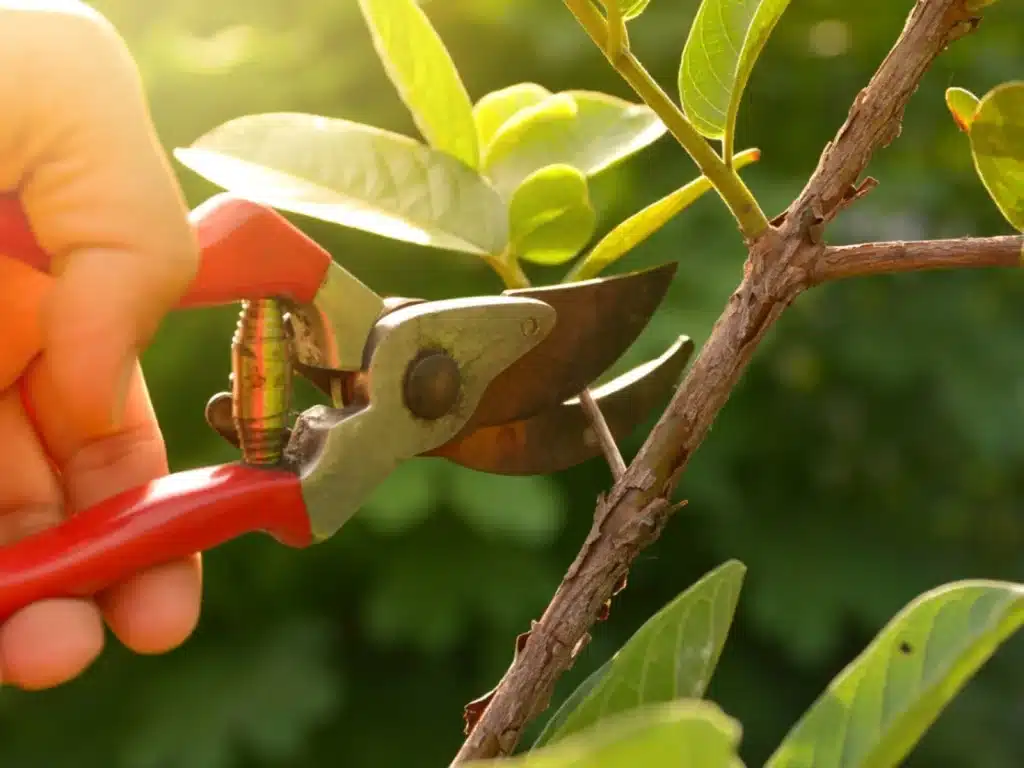
Pruning, by definition, involves removing specific parts of a plant, like branches, buds, or roots. This practice not only shapes your plants, giving them a more aesthetic appeal but also serves to enhance their health and productivity. Pruning can rid plants of dead, damaged, or diseased sections, promoting healthier growth and ensuring that they have adequate light and air.
Furthermore, pruning helps control the size of plants, directs growth, influences flowering and fruiting, and can rejuvenate old plants. However, to attain these benefits, it’s crucial to prune correctly. Sadly, many plant enthusiasts make numerous pruning mistakes that can be detrimental to their beloved flora. These common errors range from pruning at the wrong time to over-pruning, among others, which you will explore in more depth in the following sections.
Pruning At The Wrong Time

Timing is critical when it comes to pruning. Many gardeners prune their plants without understanding that the timing can significantly impact the plant’s growth and health. For instance, pruning during the middle of a growing season can stress plants and stimulate unnecessary growth, making them vulnerable to pests and diseases.
The best time to prune varies depending on the plant species and the goal of pruning. Pruning in late winter or early spring, just before the new growth begins, is generally an effective strategy for many species. However, for plants that bloom in spring, pruning should happen immediately after their flowering period to ensure the following season’s blooms aren’t accidentally removed. Simply put, knowing when to prune your plants can be the difference between a thriving garden and a struggling one.
Over-Pruning

Another common error that gardeners make is over-pruning their plants. Over-pruning can strip plants of their foliage, which plays a vital role in photosynthesis – the process by which plants make food. Therefore, removing too much foliage can starve plants, resulting in weak, unproductive growth.
Moreover, over-pruning can leave plants vulnerable to disease and pests, as it can create large, open wounds that may serve as entry points for pathogens. It’s advisable to remove no more than 15-20% of the plant’s canopy in a single season. Remember, pruning is like giving your plant a haircut, not a close shave. The plant should still look lush and full after pruning, not sparse and bare. So be patient and allow the plant to dictate its growth pace.
Neglecting Tool Maintenance

Unfortunately, many gardeners pay little attention to the state of their pruning tools, not realizing how essential tool maintenance is. Using blunt, dull tools can lead to ragged cuts and damage to plant tissues, potentially opening the door for diseases and pests to infest the plant. A clean, sharp cut helps plants heal faster, reducing the risk of disease transmission.
In addition to keeping your tools sharp, it’s also vital to keep them clean. Dirty tools can carry disease from one plant to another, spreading infection throughout your garden. Disinfect your tools between uses, particularly if you’ve cut away diseased plant material. Just by investing a little time in maintaining your pruning tools can make a big difference in your plants’ health.