Allow For Air Circulation
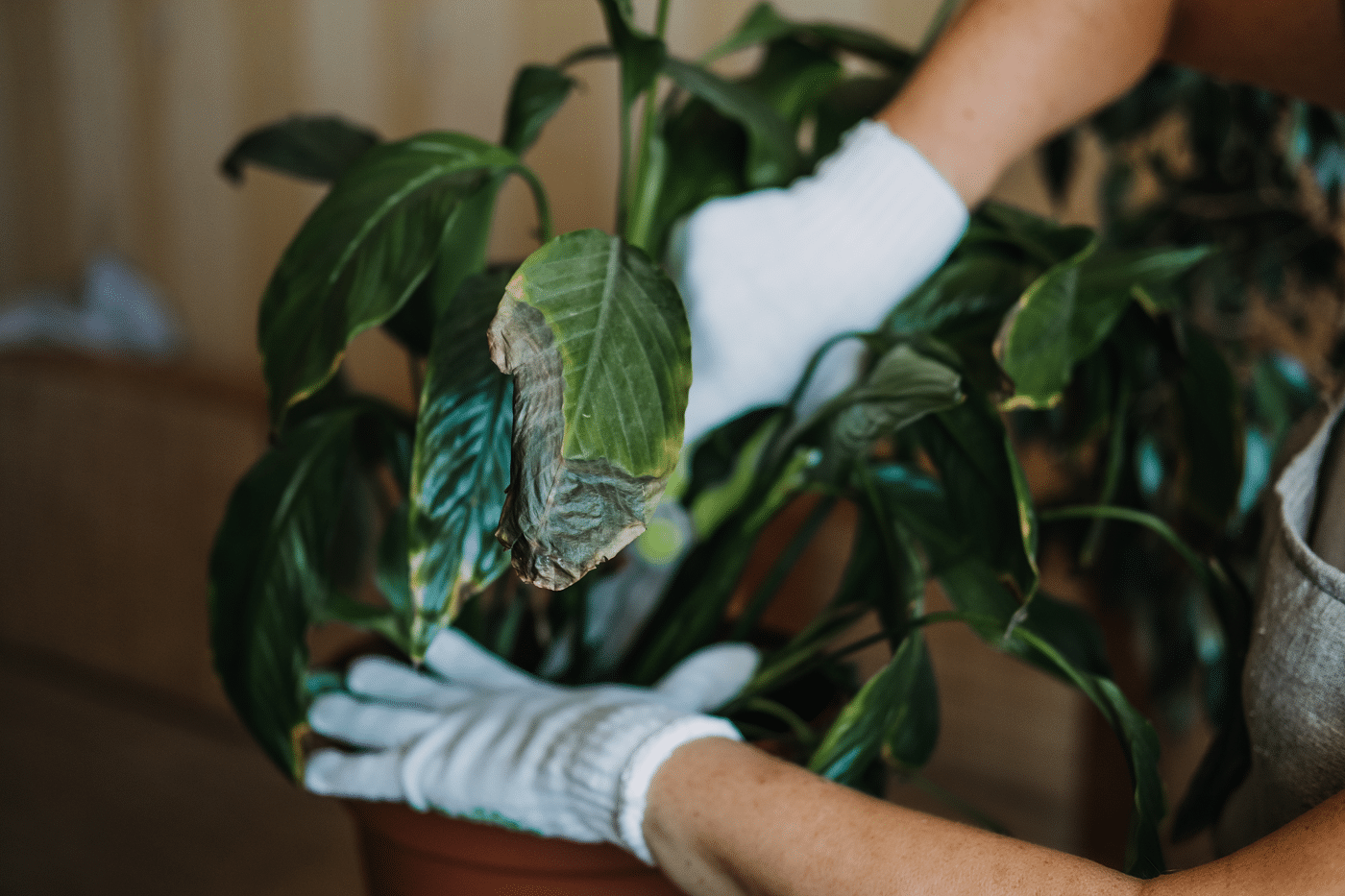
When creating your compost pile, it is important to allow for air circulation. If you do not allow for adequate air circulation, your compost will become anaerobic and produce odors. You can do this by adding a layer of twigs or straw at the bottom of your pile. You should also turn your compost regularly to help aerate it. Another way is to make a compost bin with slits in the sides or a tumbler composter. That way, you can turn it to aerate it without having to dig through a pile of compost.
Bigger Isn’t Always Better
When it comes to composting, bigger isn’t always better. If your compost pile is too big, you may run into problems with airflow and moisture. Additionally, a large compost pile can be difficult to manage and take longer to break down. That said, there are some benefits to having a larger compost pile. A bigger pile will create more heat, which will help to break down the materials faster.
Additionally, a large compost pile will provide more insulation, which can be helpful in cold climates. The optimal size for a compost pile is around three cubic feet. If you have more material than that, you can create multiple piles or use a bin designed for composting.
Keep Your Compost Damp
One of the most important things to remember when making compost is to keep it damp. You can accomplish this by adding a layer of organic matter, such as leaves or grass clippings, on top of your compost pile. This will help to hold in moisture and create an environment conducive to decomposition. Additionally, you should avoid adding too much water to your compost pile, as this can cause the organic matter to break down too quickly and create an unpleasant odor. If you live in a dry climate, you may need to water your compost pile more frequently than if you live in a humid climate.
Shred All Your Materials First
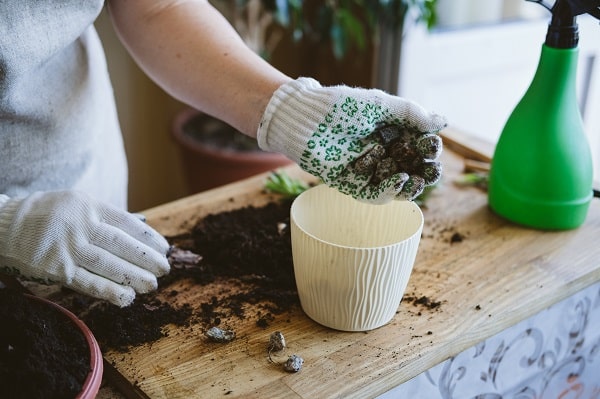
This tip is essential for making compost. You need to shred all your materials first; otherwise, they won’t break down properly, and you’ll end up with a big, smelly mess. So make sure to shred everything – leaves, twigs, fruit, and vegetable scraps – before you add it to your compost pile. If you’re having trouble shredding things by hand, you can always use a food processor or even a blender. Just be careful not to chop anything too small, or it’ll end up airborne and make a mess! Keep in mind is that the smaller your pieces are, the faster they’ll break down.
Conclusion
Making compost is a great way to improve the quality of your garden soil while also reducing the amount of waste you produce. It’s easy to do and tailored to fit your specific needs. Just remember, the more diverse your compost pile is, the better it will be at breaking down materials, so add a variety of things! By following these tips for making compost, you’ll be on your way to having a healthy and thriving garden.