Onions
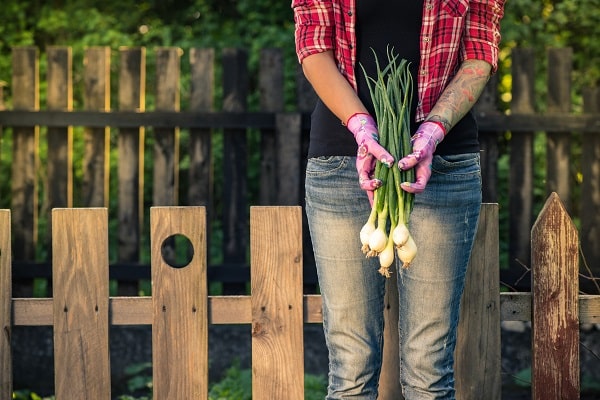
Onions are a staple in many kitchens around the world. Whether you like them raw or cooked, onions are a versatile ingredient. They can add flavor to a dish, or you can eat them on their own. However, not all onions are created equal. It is best to plant onions in the spring for the best results. Planting onions in the springtime ensures that the plants will have enough time to mature before the hot summer days arrive.
Onions planted in the spring will also be less likely to bolt or produce seed stalks, affecting their flavor. In addition, spring-planted onions are less likely to succumb to pests and diseases. For these reasons, if you want to grow onions that are flavorful and productive, it is best to plant them in the spring. To care for your onion plants, start by tilling the soil to about six inches. Then, add a layer of compost or well-rotted manure to the area and mix it well.
Next, plant your onion seeds or sets about an inch deep and four inches apart. Once the plants emerge, keep them well-watered so that the soil stays moist but not soggy. Additionally, pull weeds as needed to prevent them from competing for resources with your onion plants.
Beets
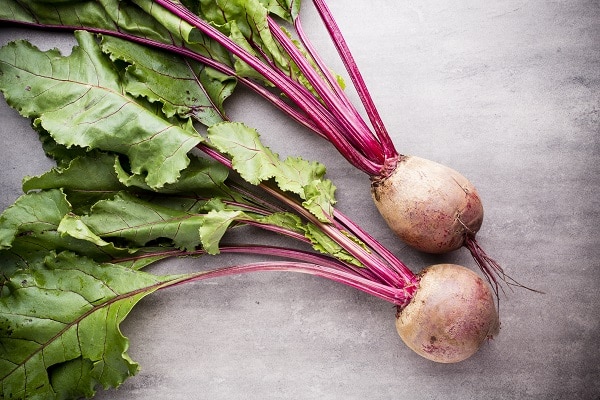
Beets are versatile and delicious root vegetables that you can enjoy fresh, roasted, or pickled. They are an excellent source of vitamins and minerals, and their vibrant color adds interest to any dish. Beets are relatively easy to grow, and you can plant them in spring and summer. However, there are several reasons why spring is the best time to plant beets. The cooler temperatures of spring help prevent the leaves from bolting or going to seed.
In addition, the soil is typically moister in spring, which helps the roots develop more easily. As a result, beets planted in spring tend to be larger and more flavorful than those planted in summer. So if you’re looking for the best beet harvest, make sure to plant your seeds in the springtime. And fortunately, beets are relatively simple to care for.
To start, choose a sunny spot in your garden with well-drained soil. Once you’ve selected a location, prepare the soil by tilling it to a depth of about eight inches. Then, sow your beet seeds about an inch apart and cover them lightly with soil. Water the area gently, being careful not to disturb the seeds. Beet seeds typically germinate within two weeks.
Tomatoes
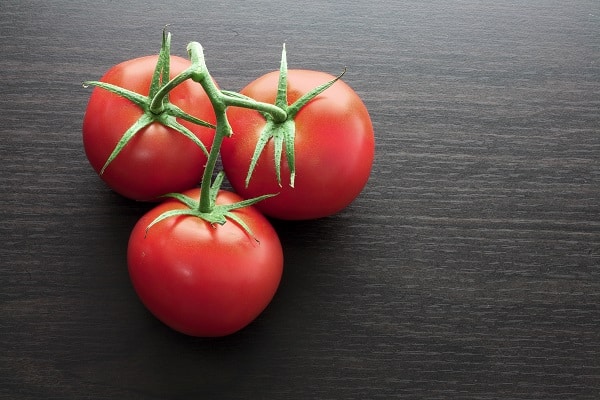
When it comes to growing tomatoes, timing is everything. Since these plants are sensitive to fluctuations in temperature, it’s best to plant them in the spring when the weather is still relatively cool. Springtime gives the seeds plenty of time to establish strong roots before warmer temperatures take hold and drastically increase stress on the plants. However, starting tomatoes from seed can be tricky, as certain pests and diseases can quickly wreak havoc on fragile seedlings.
Planting them allows them time to mature and develop resistance against common threats like aphids and blight. To ensure the best possible care for your tomatoes, you will also need to provide them with adequate water, fertilizer, and consistent sunlight exposure throughout the growing season. With these simple steps, your tomato crop will be thriving!
Get Started In Your Vegetable Garden!
You can plant many vegetables in the spring to enjoy a bountiful harvest later in the season. The ones on this list are just a few of the best options you have. Each of these vegetables has its unique benefits in flavor, nutritional value, and resistance to pests and diseases. Plant these vegetables in the spring, whether you’re looking for a delicious addition to your meals or a nutritious vegetable! Keep in mind that your plants will thrive with a bit of care and attention and provide you with an abundance of fresh produce to enjoy all season!