Repotting a plant is an essential step for maintaining the health of your plant. It helps to maintain the balance between roots and soil, as well as increase airflow around the roots. But how do you know when it’s time to repot? This article will cover all of the steps necessary to repot your plants including why they need to be potted, how often they should be repotted, and what tools are needed for this process. It will also discuss some tips on choosing a pot that fits your needs and avoiding common mistakes people make when repotting their plants.
Why Plants Need To Be Repotted
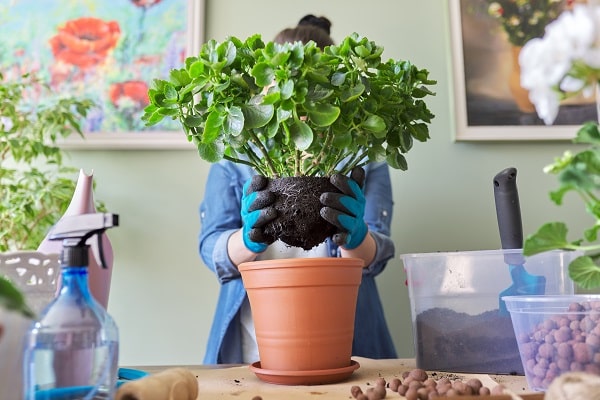
There are a few reasons why potted plants need to be repotted. When you first purchase your plant, the roots have been confined in a pot for an extended period and have grown around the soil. Repotting helps to recreate this natural growth pattern by loosening the root ball so that the roots can grow into new soil as well as increasing the airflow around the roots. Repotting also ensures that your plant stays healthy and thriving by replenishing nutrients in the soil to keep it balanced.
When You Should Repot Your Plant
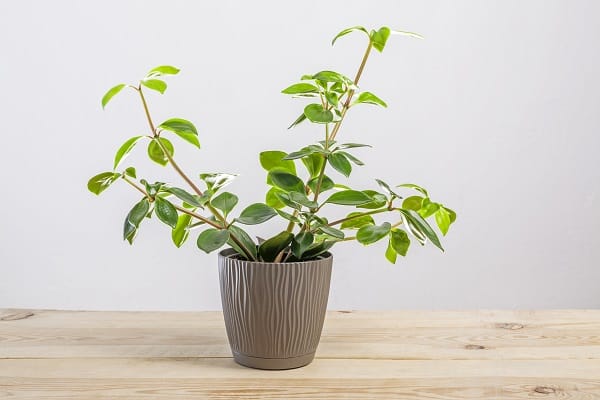
Different types of plants have different needs and knowing the type of plant you have will help you determine when to repot. Some good indicators that your plant needs to be repoted are yellowing leaves, weak or dying branches, dropping leaves, and the soil feels dry. If you notice any of these signs, it’s important to repot your plants as soon as possible and check for and treat any pests and diseases that may be the root cause. Another general rule, if the roots of a plant begin to inch over the top of the soil and show through holes in the pot, it’s time to repot. Repotting plants every 1-2 years is ideal for most plants.
Using The Right Pot
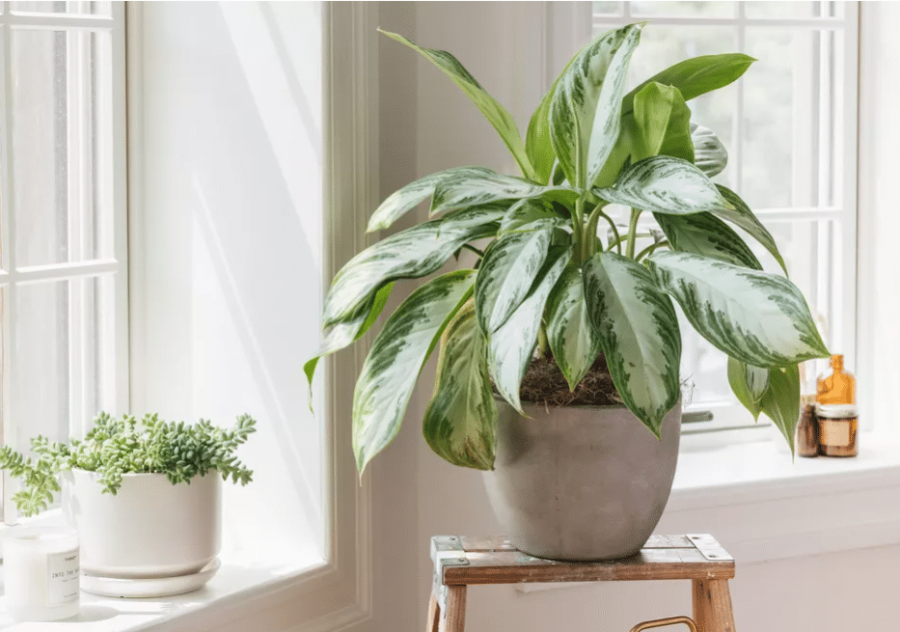
Choosing the right pot for your plant is important to ensure they stay healthy and happy. When choosing a pot, it’s best to avoid using plastic pots because they don’t allow airflow and tend to cause root rot. The best kinds of pots are terracotta or clay pots with holes in the bottom for drainage. These pots allow the roots to absorb water while releasing any excess through drainage holes. Typically, a pot that is 1-2 inches larger than the current pot will be best for your plant. If you are repotting a succulent, make sure to choose one with enough room at the bottom of the pot so that it can sit flat on its bottom.
First Step: Have The Right Tools

Before you repot your plant, make sure to gather all tools that will be necessary for this process. Keep in mind that some tools may need to be cleaned beforehand if they’ve been used with another plant material, such as soil and fertilizer. A toolkit should include:
- Soil
- Spade/shovel or hand shovel
- A spray bottle of water
- Scissors
- Newspaper
- Gloves
- Watering can


