Fertilizers play a pivotal role in enhancing plant growth and agricultural productivity. However, the practice of over-fertilization, often overlooked, can lead to a host of environmental, economic, and health-related issues. As the pursuit of greener pastures intensifies, it’s crucial to shed light on the risks that excess nutrients pose. This article delves into the under-acknowledged perils of over-fertilization, revealing why more is not always better and how sustainable practices can prevent potential harm.
Understanding Fertilizers and Their Role

Fertilizers are compounds that supply nutrients necessary for plant growth, often containing a blend of nitrogen, phosphorus, and potassium. They are crucial in agricultural production, but there’s a thin line between sufficient nourishment and nutrient excess. Plants can only absorb a certain amount of fertilizer; beyond that, the surplus can cause a cascade of issues, from altering soil pH to disrupting the natural microbial ecosystem.
The role of fertilizers cannot be overstated; they replenish soil nutrients and ensure high yields. However, when applied inappropriately, they can do more harm than good. It’s imperative to understand the balance required for various crops and soil types. The misconception that more fertilizer means better growth leads to over-application, which is counterproductive and hazardous.
The Environmental Impact of Over-fertilization

Over-fertilization significantly impacts the environment, starting with the soil. An excess of nutrients can lead to soil degradation, making land less fertile. When the delicate balance of soil nutrients is disturbed, the long-term productivity of the soil is compromised, leading to an unsustainable farming future.
The repercussions extend to water systems through runoff and leaching. Excess nutrients from fertilizers enter nearby waterways, causing an overgrowth of algae in a process known as eutrophication. This overgrowth depletes oxygen in the water, harming aquatic life and disrupting ecosystems. The implications for biodiversity are dire, with long-lasting effects on natural habitats and the animals that depend on them.
Economic Consequences for Farmers and Growers

The financial implications of over-fertilization for farmers and growers are profound. Initially, there’s an increased cost for the excessive amounts of fertilizer used. This input does not necessarily equate to higher yields and can often result in diminishing returns due to the potential damage caused to the crops and soil.
Moreover, the economic impact of degrading soil fertility means that future crop yields can be compromised, necessitating even more investment to restore soil health. Farmers may face additional costs due to regulatory measures imposed to protect the environment, including fines and the cost of remediation activities. These economic strains can be particularly challenging for small-scale farmers, for whom such expenses can be crippling.
Health Risks Posed by Over-fertilization
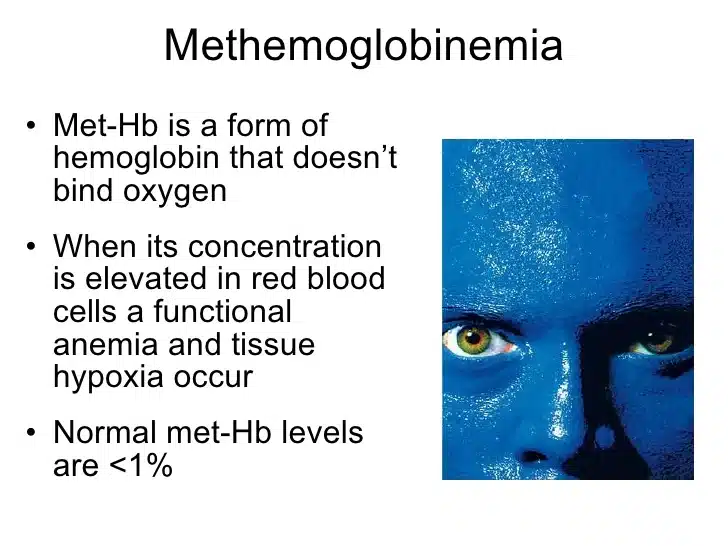
The health risks of over-fertilization are an alarming concern. Nitrate contamination in groundwater due to over-fertilization can lead to severe health problems when this contaminated water is used for drinking or irrigation. Methemoglobinemia, commonly known as blue baby syndrome, is one such condition that can occur in infants consuming nitrate-contaminated water.
Additionally, the overuse of fertilizers can lead to the accumulation of heavy metals in the soil, which can be taken up by plants and enter the food chain. This bioaccumulation poses significant risks to human health, including chronic diseases and developmental issues. These risks highlight the need for stringent regulation and monitoring of fertilizer use to protect public health.