When you think of a lawn, most people picture a simple, green, and peaceful space outside your home. Yet, beneath this serene surface lies a world brimming with secrets and stories. From the intricate ecosystem under the blades of grass to the silent tales of chemical usage, lawns are more complex than they appear. This post peels back the layers of your outdoor space, revealing the shocking secrets your lawn is hiding. As you dive into these revelations, you will gain a deeper appreciation and understanding of your green spaces and their impact on the world around them.
The Hidden World Beneath Your Grass

Beneath the lush green surface of a lawn lies a bustling ecosystem, teeming with life that is often unnoticed. This underground world is home to a diverse array of organisms, from beneficial bacteria to earthworms, all playing crucial roles in maintaining lawn health. These microorganisms help decompose organic matter, enriching the soil and providing essential nutrients for the grass. Their activities ensure that the soil remains fertile and capable of supporting a healthy lawn. This hidden biodiversity is a cornerstone of what makes a lawn vibrant and full of life.
Equally fascinating is the complex network of grass root systems spread beneath the lawn. These roots are not just mere anchors; they are lifelines that draw vital nutrients and water from the soil. The health and sustainability of a lawn are heavily dependent on the vigor of these root systems. They also help in preventing soil erosion, retaining moisture, and even in combating weeds. Understanding the intricacy and importance of root systems is key to appreciating how a seemingly simple lawn operates as a dynamic and self-sustaining ecosystem.
Chemical Stories Told in Silence

The use of chemicals in lawn care is a silent narrative that many are unaware of. Homeowners often use a range of products, from fertilizers to pesticides, to maintain the aesthetic appeal of their lawns. However, these chemicals can have far-reaching effects on the environment, seeping into groundwater or affecting beneficial insects and soil organisms. The long-term impact of these chemicals is a topic of growing concern, as they can alter the natural balance of the lawn’s ecosystem and potentially harm surrounding wildlife.
In contrast, natural alternatives to chemical lawn care are gaining traction. These organic methods prioritize the health of the soil and the surrounding environment. Using compost as a fertilizer or employing biological pest control can be effective and environmentally friendly options. They not only reduce the chemical load on your lawn but also promote a more sustainable approach to lawn care. As more homeowners adopt these natural alternatives, you will witness a shift towards lawns that are not only beautiful but also ecologically responsible.
The Climate Impact of Your Green Space
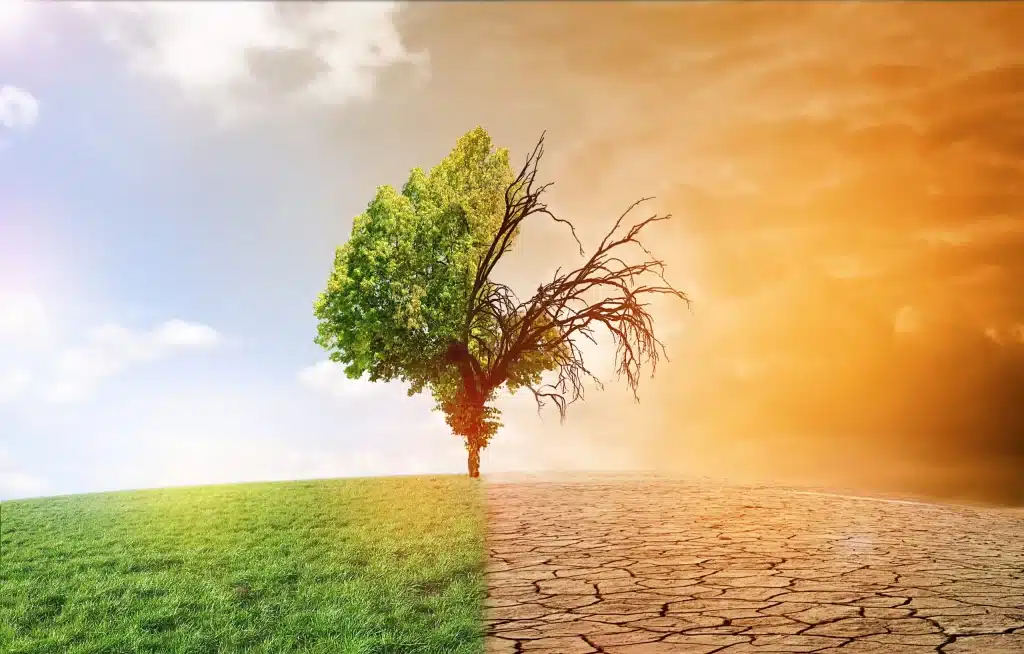
Lawns play a surprising role in the global climate conversation, particularly through their ability to sequester carbon. Grass, like other plants, captures carbon dioxide from the atmosphere, contributing to the reduction of greenhouse gasses. This process makes lawns an important, albeit small, player in the fight against climate change. However, the extent of this benefit varies, depending on factors like grass type and maintenance practices. When managed correctly, lawns can serve as effective carbon sinks, helping to mitigate the impacts of global warming.
Another aspect of lawns that affects the climate is water usage. Maintaining a lush lawn typically requires significant amounts of water, a precious and often scarce resource. This high water demand raises concerns about sustainability, especially in areas facing water scarcity. By adopting water-saving practices, such as using drought-resistant grass varieties or implementing efficient irrigation systems, homeowners can significantly reduce their lawns’ water footprint. These practices conserve water and contribute to a more environmentally friendly approach to lawn care.