

Lawns as Habitats for Wildlife

Lawns are more than just aesthetic elements; they can be vital habitats for a variety of wildlife. A well-maintained lawn can support insects, birds, and small mammals, contributing to local biodiversity. This biodiversity is essential for maintaining ecological balance, as each species plays a unique role in the ecosystem. For instance, bees and butterflies, attracted to flowering lawn weeds, are crucial pollinators, while birds help control pest populations. Recognizing lawns as habitats for these creatures is a step towards understanding their broader environmental significance.
Creating a wildlife-friendly lawn involves more than just letting nature take its course. It requires thoughtful choices in lawn care, such as reducing pesticide use, allowing certain weeds to flourish, and providing natural shelters. These practices create a welcoming environment for wildlife, enhancing the lawn’s ecological value. The benefits of such a lawn extend beyond its borders, offering a sanctuary for wildlife in urban and suburban settings. Embracing this role will transform your perception of lawns from mere green spaces to crucial components of local ecosystems.
The Unseen Dangers of Lawn Care
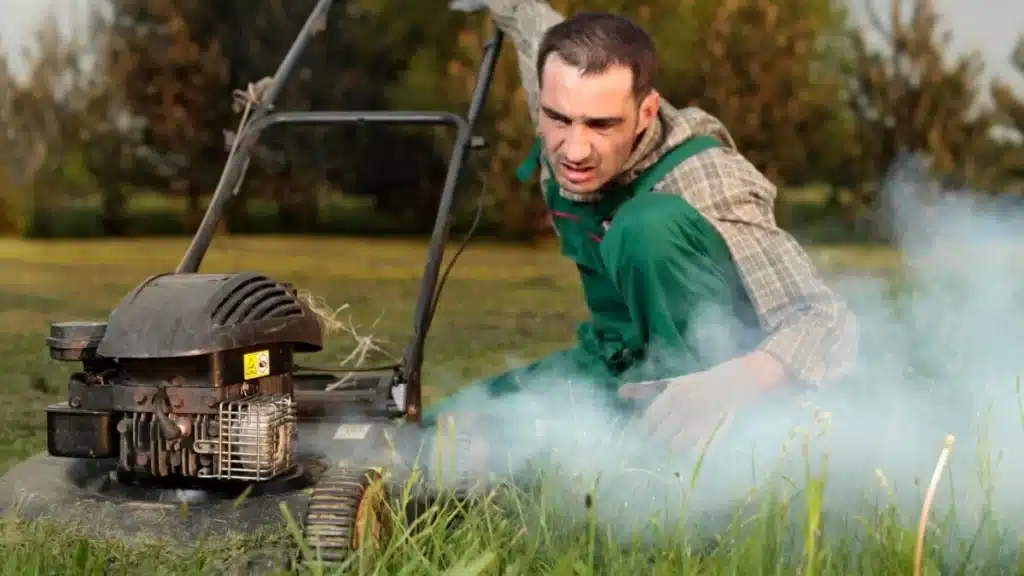
Lawn care, while often seen as a benign activity, harbors unseen dangers, particularly related to pollution from lawn equipment. Gasoline-powered lawnmowers, trimmers, and blowers emit a significant amount of pollutants, contributing to local air quality issues. These emissions are not just harmful to the environment; they also pose health risks to those frequently exposed to them. The carbon monoxide, nitrogen oxides, and hydrocarbons released during lawn maintenance contribute to the formation of ground-level ozone, a key component of smog.
Beyond environmental concerns, lawn care also presents physical hazards. Each year, thousands of people suffer injuries related to lawn maintenance, including cuts, burns, and even more severe accidents. The rotating blades of a lawn mower, if not handled correctly, can turn a routine task into a dangerous one. Safety measures, such as wearing protective gear and following equipment guidelines, are essential. Awareness of these risks and adherence to safety protocols can significantly reduce the likelihood of accidents, making lawn care safer for everyone involved.
The Economic Side of Green Spaces

Maintaining a lawn involves not just time and effort but also a considerable financial investment. Homeowners often spend a significant amount on lawn care products, equipment, and sometimes professional services. This expenditure covers everything from fertilizers and seeds to water and electricity for irrigation systems. While these costs vary depending on lawn size and maintenance practices, they can accumulate over time, making lawn care a notable part of household expenses. This economic aspect is an important consideration in the overall assessment of the value and sustainability of maintaining a lawn.
The economic impact of lawns extends beyond maintenance costs to influence property values. A well-kept lawn can significantly enhance the curb appeal of a property, potentially increasing its market value. This aesthetic contribution, however, needs to be balanced with the costs involved in achieving and maintaining such a lawn. For some homeowners, investing in low-maintenance landscaping options may be a more economically viable solution. These alternatives can provide similar aesthetic benefits while reducing ongoing maintenance costs.
The Psychological Effects of a Well-Maintained Lawn

The impact of a well-maintained lawn extends beyond the physical and environmental to the psychological realm. Numerous studies have shown a positive correlation between exposure to green spaces and mental health. The presence of a lush, green lawn can create a sense of tranquility and well-being. It’s not just the aesthetic appeal; the act of engaging with nature, even in the form of lawn care, can be mentally rejuvenating. This connection to nature can alleviate stress, boost mood, and improve overall mental health.
The therapeutic nature of lawn care is another aspect of its psychological benefits. Gardening and lawn maintenance activities can be a form of stress relief and relaxation for many people. The repetitive tasks involved in lawn care, such as mowing and weeding, can provide a sense of accomplishment and control. This engagement with nature can serve as a break from the hustle and bustle of daily life, offering a peaceful retreat and a chance to recharge mentally.
Discover The Hidden Wonders Of Your Lawn
In uncovering the hidden layers of your lawn, you find a world rich with environmental, economic, and psychological implications. From the micro-ecosystems beneath the grass to the impact of your care practices, lawns are not just simple patches of green but intricate components of your larger environment. This newfound knowledge empowers you to make informed choices about lawn care, encouraging you to adopt more sustainable and mindful practices. Let’s embrace these secrets, transforming your approach to lawn care for a healthier, more harmonious relationship with nature.