

Things You Should Never Do to Your Garden in the Fall
Common autumn mistakes that can damage your plants, soil, and set back your spring garden before the season even begins.
As temperatures drop and leaves begin to change, many gardeners instinctively rush to prepare their outdoor spaces for winter. However, the things you should never do to your garden in the fall are often the very actions that well-meaning gardeners perform with the best intentions. Autumn represents a critical transition period for plants, soil ecosystems, and beneficial insects, and certain practices that seem helpful can actually cause significant harm to your garden’s long-term health. Understanding which autumn gardening mistakes to avoid will protect your investment of time and resources while ensuring your garden emerges vibrant and healthy when spring arrives.
Why Removing All Fallen Leaves Damages Your Ecosystem
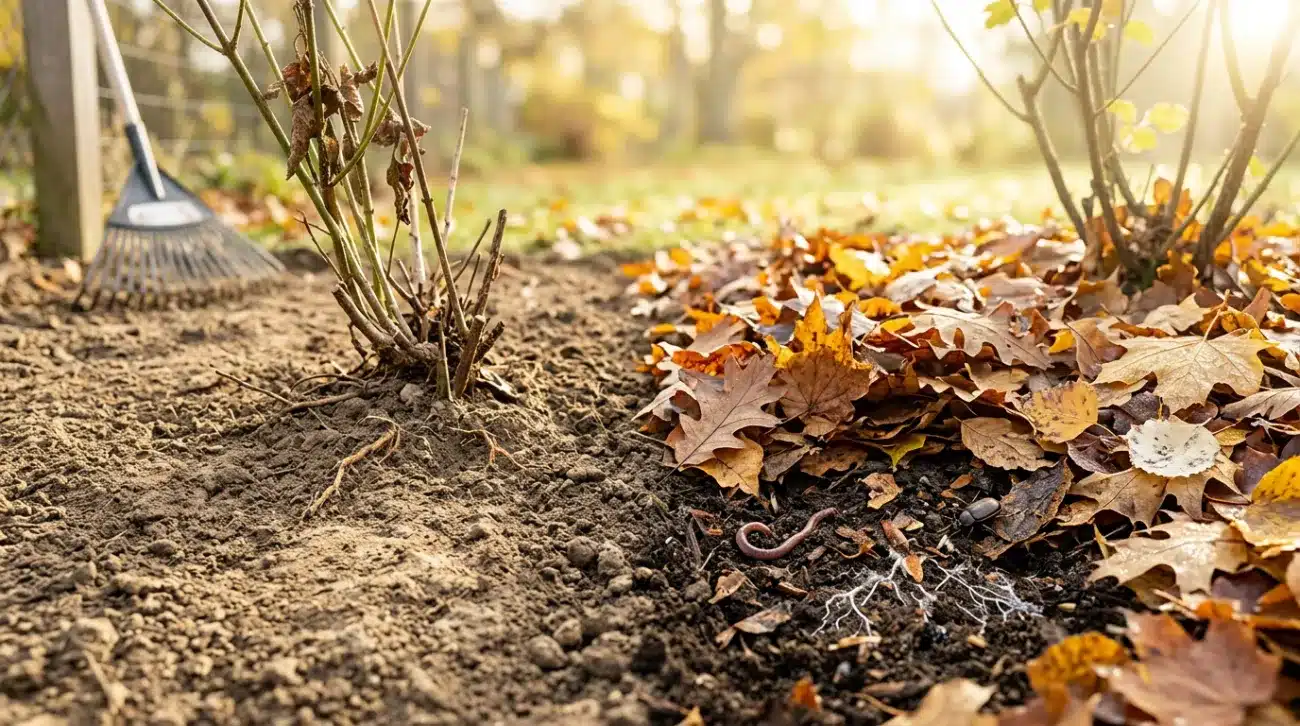
The impulse to rake every last leaf from your garden beds and lawn represents one of the most widespread fall gardening errors homeowners commit each year. While a pristine, leaf-free yard might appeal to aesthetic sensibilities, those fallen leaves serve essential ecological functions that benefit your garden throughout winter and into the following growing season. Decomposing leaves return vital nutrients to the soil, including nitrogen, phosphorus, and carbon, creating a natural fertilization cycle that has sustained ecosystems for millions of years.
Beyond their nutritional value, fallen leaves provide crucial overwintering habitat for beneficial insects, including pollinators like native bees and butterflies. Many of these species lay eggs in leaf litter or spend their dormant months sheltered beneath decomposing organic matter. When you remove all leaves, you eliminate the nurseries for creatures that will pollinate your flowers and vegetables the following year. Similarly, predatory insects that help control garden pests rely on leaf litter for winter survival.
Rather than removing all leaves, consider shredding them with a mulching mower and spreading a thin layer over garden beds. This accelerates decomposition while providing insulation for plant roots and habitat for beneficial organisms. Move excess leaves to compost bins rather than disposing of them entirely.
The insulating properties of leaf cover also protect perennial plants, bulbs, and root systems from temperature fluctuations that can cause frost heaving, where soil expansion and contraction pushes plants out of the ground. A moderate leaf layer acts as a natural mulch, moderating soil temperature changes and retaining moisture that plants need even during dormancy.
Cutting Back Perennials Too Early Weakens Plants

Many gardeners make the mistake of cutting back perennials immediately after the first frost or as soon as foliage begins to brown. This premature pruning interrupts critical biological processes that plants depend upon for winter survival and spring vigor. Even after above-ground portions of perennials appear dead or dying, the plants continue translocating nutrients from stems and leaves down into root systems where they are stored for the following season’s growth.
When you cut back perennials too early in fall, you essentially short-circuit this energy storage process. The plant loses access to carbohydrates and minerals that would otherwise strengthen its root system and fuel early spring emergence. Over successive years of premature pruning, perennials may become progressively weaker, producing fewer flowers, smaller growth, and demonstrating increased susceptibility to disease and pest damage.
Hollow plant stems provide overwintering sites for native bees and other beneficial insects
Dried flower heads provide essential winter food sources for birds and self-seeding opportunities
Plants continue moving nutrients to roots well after foliage dies back visually
Standing perennial stems and seed heads also provide significant wildlife value during winter months. Many bird species, including finches, sparrows, and other seed-eating birds, rely on dried flower heads as food sources when other resources become scarce. The standing stems create visual interest in winter gardens while serving as shelters and food sources for the creatures that will help control pests and pollinate flowers in warmer months.
Applying High-Nitrogen Fertilizer Promotes Vulnerable Growth
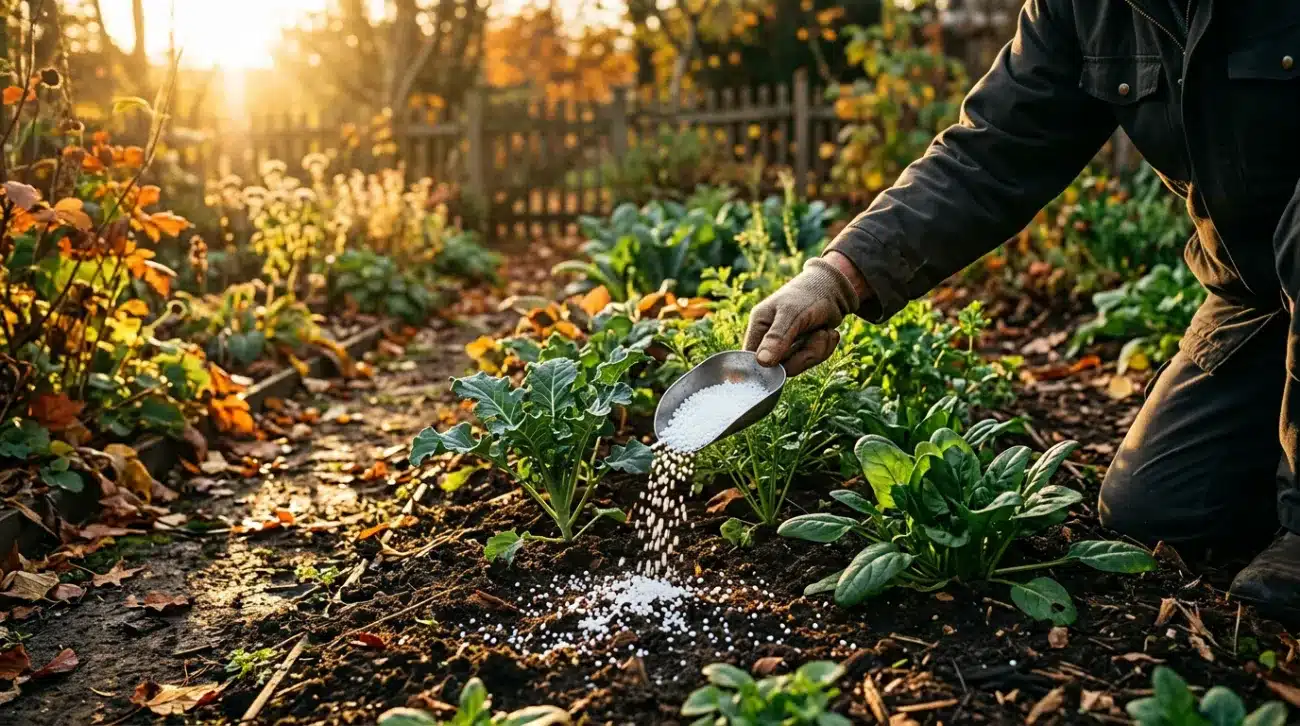
One of the most damaging fall gardening mistakes involves applying nitrogen-rich fertilizers to established plants late in the growing season. While fertilization might seem like a way to strengthen plants before winter, high-nitrogen applications stimulate new, tender growth at precisely the wrong time. This fresh foliage lacks the hardiness to withstand freezing temperatures and will be killed by frost, wasting the plant’s energy reserves and creating entry points for disease.
The timing of fall fertilization matters enormously. Most perennials, shrubs, and trees should receive their final fertilizer applications no later than mid-summer, allowing sufficient time for new growth to mature and harden before cold weather arrives. Late-season nitrogen pushes plants to continue growing when they should be entering dormancy, disrupting natural cycles that have evolved to protect them through winter.
Cool-season lawns represent an exception to this rule. Applying a fall fertilizer specifically formulated for grass, typically higher in potassium and lower in nitrogen, can help strengthen turf root systems before winter. However, this should occur in early fall, not late autumn, and should use products designed for this purpose.
If you feel compelled to feed your garden in fall, focus on adding organic matter like compost, which releases nutrients slowly and improves soil structure without forcing inappropriate growth. Compost applied in autumn will break down gradually over winter, enriching the soil in time for spring planting without the risks associated with synthetic fertilizers.
Stopping Irrigation Too Soon Stresses Root Systems
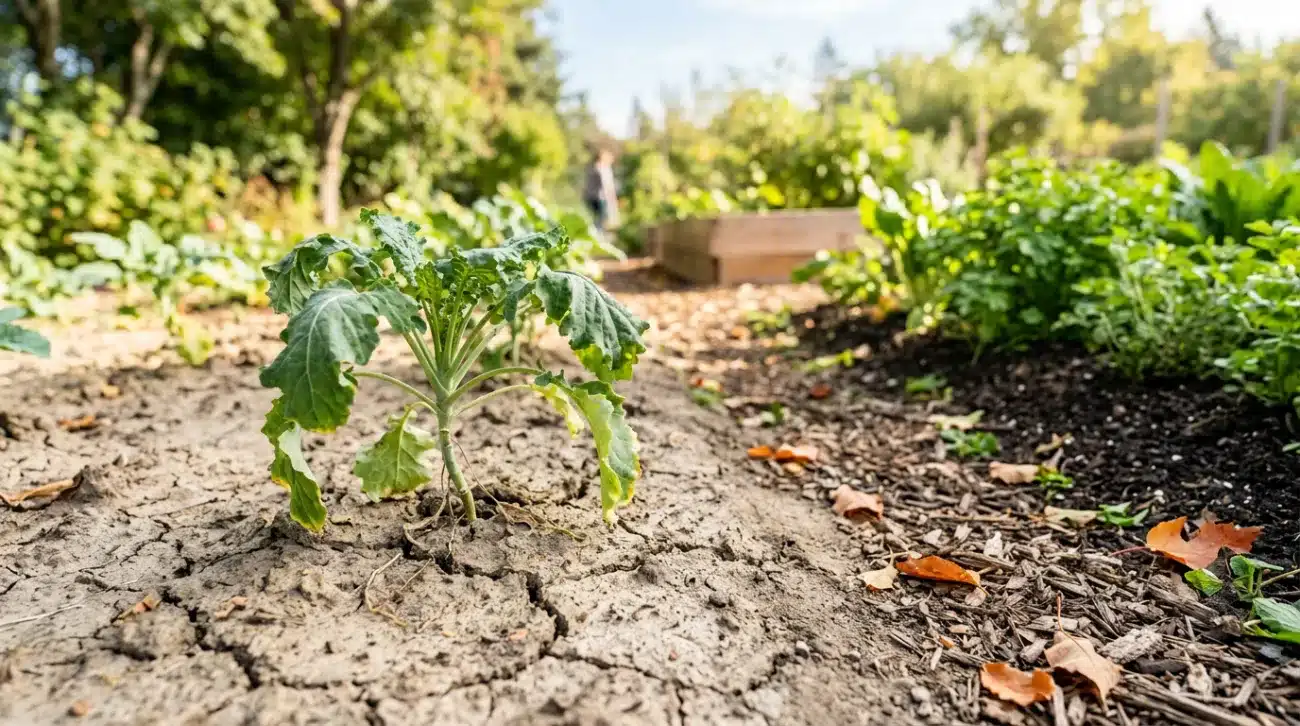
As temperatures cool and visible growth slows, many gardeners assume their plants no longer need water. This misconception leads them to shut off irrigation systems and cease supplemental watering long before plants have truly entered dormancy. In reality, plant roots remain active well into fall, and adequate soil moisture is essential for their continued function and winter preparation.
Trees and shrubs, in particular, benefit from deep watering throughout autumn until the ground freezes. Their root systems continue absorbing moisture and nutrients that will sustain them through winter, and entering the cold season with dry roots significantly increases susceptibility to winter injury. Evergreens face particular challenges because they continue losing moisture through their needles or leaves throughout winter, and dry roots cannot replace this lost water.
The key is to continue watering when rainfall is insufficient, especially during dry autumn periods that have become increasingly common in many regions. Water deeply but less frequently as temperatures drop, focusing on thorough soil penetration rather than surface moisture. Continue this practice until the ground freezes hard enough to prevent water absorption.
Heavy Tilling Destroys Beneficial Soil Structure
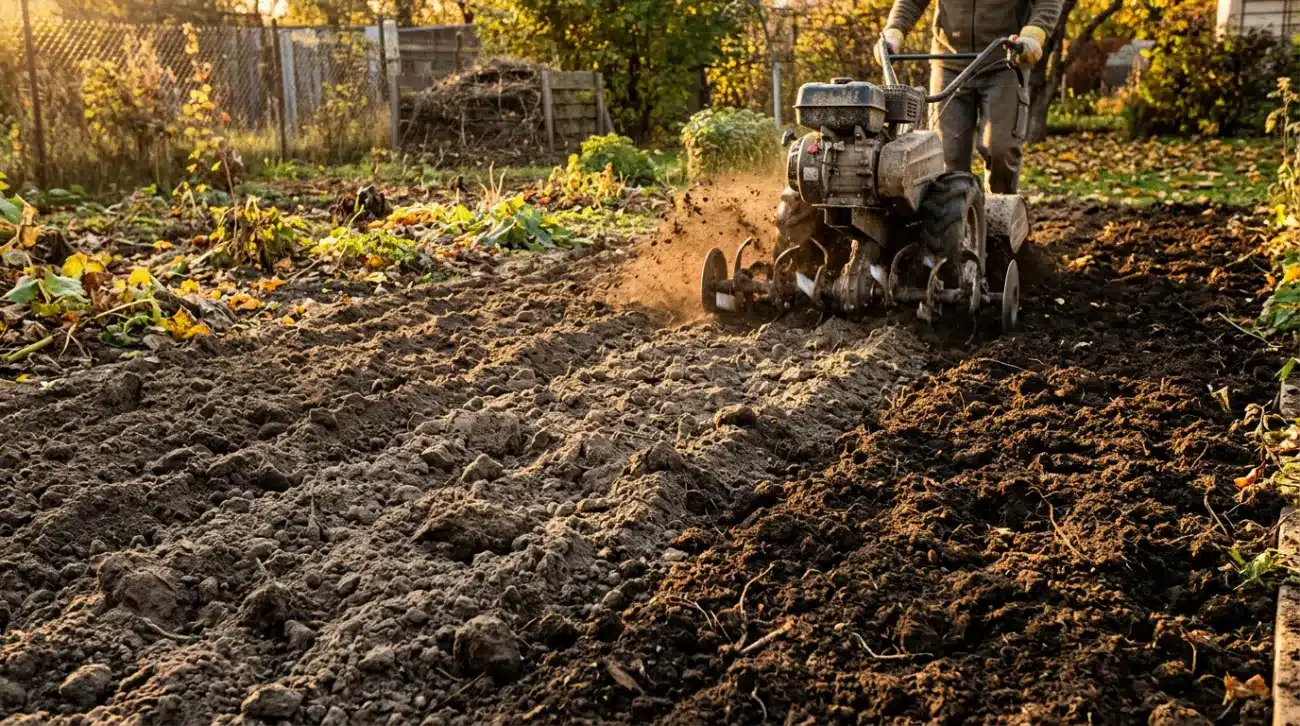
The traditional practice of deeply tilling garden beds each fall, once considered essential garden maintenance, is now recognized as harmful to soil health by agricultural researchers and soil scientists. Aggressive tilling disrupts the complex networks of fungal hyphae that help plants access nutrients and water, destroys the tunnels created by earthworms and other soil organisms, and collapses the pore structure that allows proper drainage and air circulation.
Healthy soil contains billions of microorganisms per handful, including bacteria, fungi, protozoa, and nematodes that form an interconnected ecosystem essential for plant nutrition. Heavy tilling exposes these organisms to air and ultraviolet light, killing many of them and disrupting relationships that took years to develop. Each season of aggressive tilling requires soil biology to essentially start over, resulting in progressively poorer growing conditions.
Tilling breaks apart soil aggregates and destroys fungal networks that connect plants to nutrients
Exposed soil loses organic matter rapidly and becomes compacted more easily when wet
Years of repeated tilling can reduce soil organic matter and biodiversity to levels requiring intensive remediation
Instead of tilling, add organic matter to the soil surface and allow natural processes to incorporate it. Earthworms, insects, and microbial activity will pull organic material down into the soil profile while maintaining the structure that benefits plant growth. This approach, often called no-till or minimal-till gardening, improves soil health over time rather than degrading it.


