

Installing New Plants Too Late Prevents Establishment
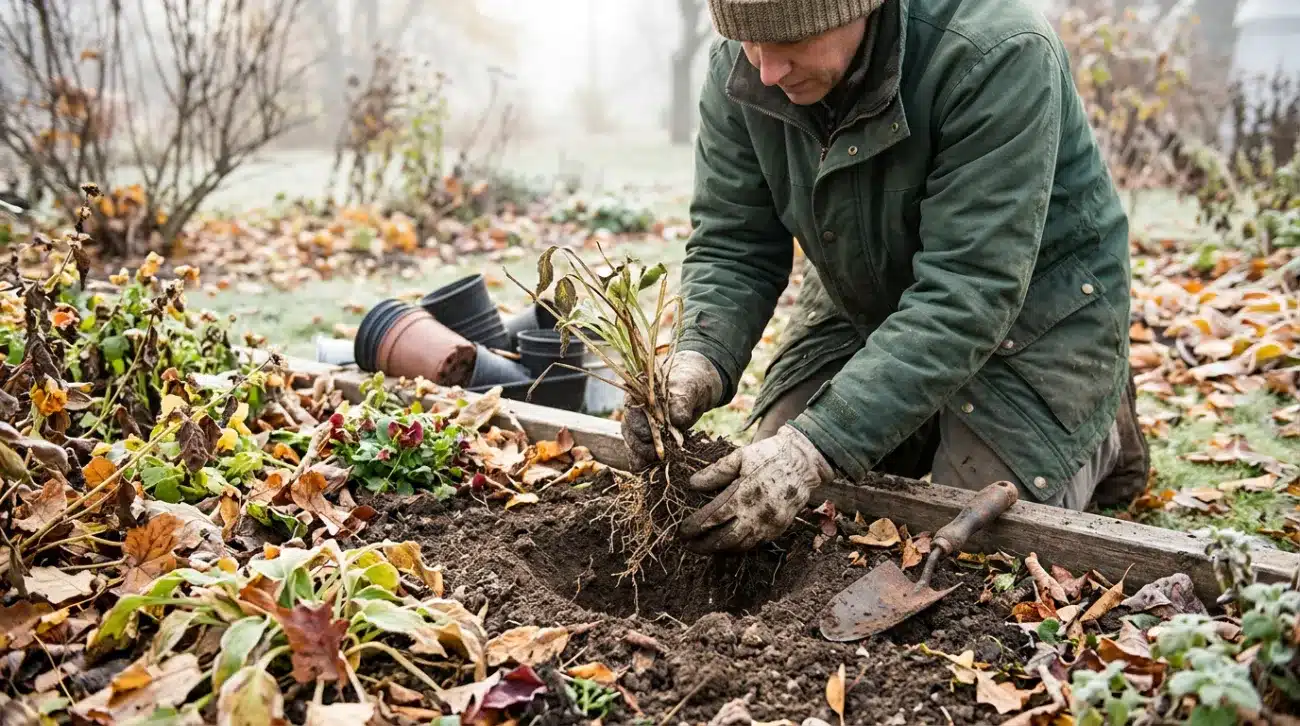
Fall planting offers many advantages, including cooler temperatures that reduce transplant stress and autumn rains that help establish root systems. However, planting too late in the season, when insufficient time remains for root development before ground freezing, sets new plants up for failure. Without established root systems, transplants cannot anchor themselves against frost heaving and lack the resources to survive winter stress.
The general guideline suggests completing fall planting at least six weeks before the ground typically freezes in your area. This allows time for roots to grow into surrounding soil, establishing the connections needed to access water and nutrients through winter. Plants installed later often heave out of the ground during freeze-thaw cycles or simply fail to develop the root mass necessary for winter survival.
Perennials and container-grown shrubs generally transplant more successfully in fall than balled-and-burlapped or bare-root stock, which suffer greater root disturbance. If you must plant late in the season, focus on the most cold-hardy species and provide extra mulch insulation, understanding that losses may still occur despite best efforts.
Critical Fall Gardening Principle
The overarching theme connecting all fall gardening mistakes involves working against natural processes rather than with them. Healthy gardens depend on complex ecological relationships that have evolved over millennia. Practices that disrupt these relationships, whether by removing organic matter, forcing inappropriate growth, or destroying soil biology, ultimately require more work to correct than the perceived tidiness they provide.
Using Pesticides Indiscriminately Harms Overwintering Beneficials

Some gardeners apply broad-spectrum insecticides in fall with the intention of reducing pest populations before winter. This approach backfires because it kills beneficial insects along with pests, often causing greater harm to predator populations that would naturally control pest numbers. Many beneficial insects, including ladybugs, lacewings, and parasitic wasps, overwinter in garden debris and soil, making them particularly vulnerable to fall pesticide applications.
The disruption of natural predator-prey relationships caused by indiscriminate pesticide use frequently results in worse pest problems the following season. Without predators to control them, pest populations can rebound rapidly in spring, often reaching higher levels than would have occurred without treatment. This creates a cycle of increasing pesticide dependence that degrades garden ecology over time.
If specific pest problems require intervention, target treatments narrowly and consider whether the pest actually causes significant damage or merely represents a cosmetic concern. Many insect populations that seem problematic in fall will be controlled naturally by winter weather, predators, and diseases without human intervention.
Setting Your Garden Up for Spring Success
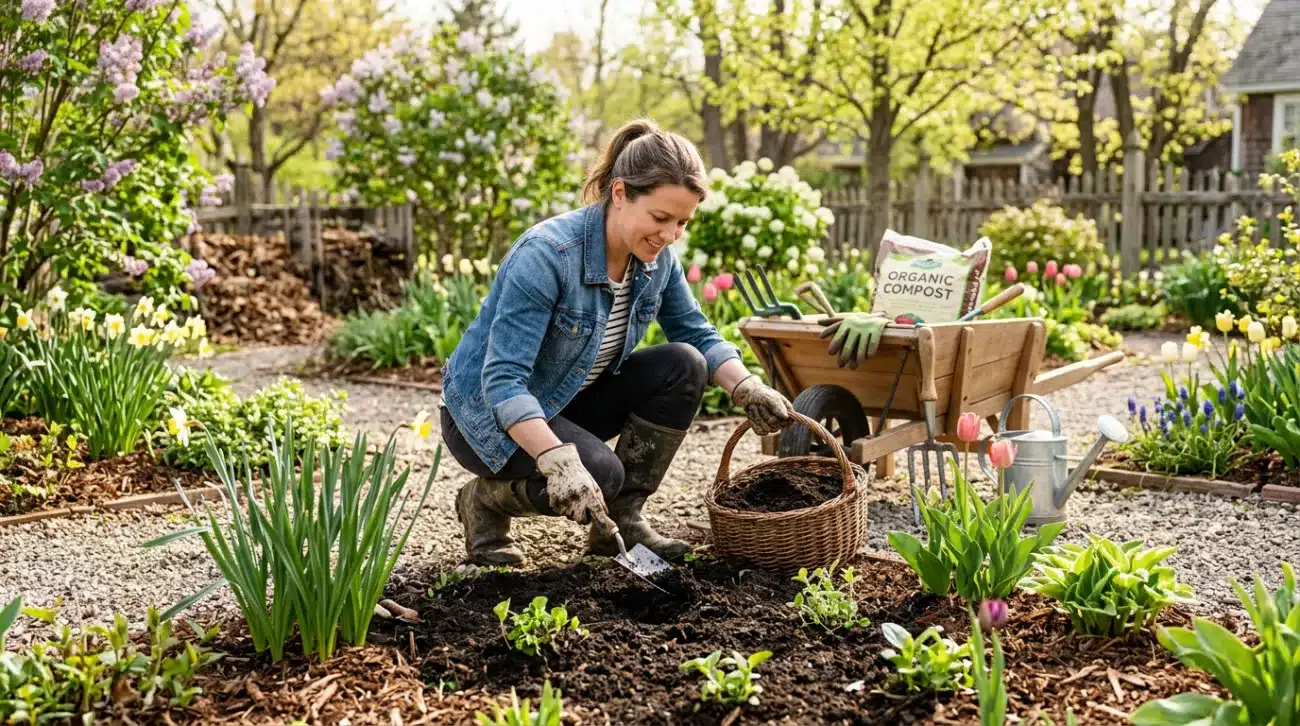
Understanding what not to do in your fall garden ultimately comes down to recognizing that autumn represents a preparation period rather than a cleanup period. The actions you take now, or refrain from taking, directly influence how your garden emerges from winter and performs throughout the following growing season. Gardens managed in harmony with natural cycles require less intervention, fewer inputs, and produce healthier plants with greater resilience.
Rather than viewing fall garden care as a checklist of tasks to complete, consider it an opportunity to support the ecological processes that sustain your garden. Leave organic matter in place to nourish soil and shelter beneficial organisms. Allow plants to complete their natural dormancy preparations. Maintain soil moisture without forcing growth. Work with your garden’s biology rather than against it, and you will be rewarded with a more vibrant, productive, and sustainable landscape.
The wisdom of fall gardening lies not in what you do, but in what you consciously choose not to do, recognizing that nature has perfected these seasonal transitions over countless generations and that our role is often simply to avoid interference with processes that function beautifully without our intervention.


