The popularity of houseplants has exploded over the last few decades. It’s not uncommon to see a home without any fresh-cut flowers, but instead with an assortment of plants in pots and hanging baskets. Houseplants are more than just decoration; they bring life and vitality into your home (and yes, some even provide food). Many of the most popular houseplants are edible and provide a number of health benefits. While there may not be many plants you can actually eat, eating parts of some common indoor plants is an inexpensive way to add nutrients to your diet.
Rosemary

The leaves of this popular herb are rich in antioxidants. But they also make an excellent seasoning for meats, poultry, and vegetables because it infuses the food with a delicious flavor that is similar to mint or pine. You can even use rosemary as part of your Thanksgiving turkey brine recipe to give the bird extra zing! A popular way to eat rosemary is to crush it into very thin slices, lay them on a baking sheet and bake in a low heat oven (175°-200°) until they are dry. The result? A crispy snack that’s perfect for movie nights!
Lemongrass

This pungent herb has long been used in Asian recipes but was only recently introduced in Western dishes. Lemongrass can be found fresh or frozen at many grocery stores. It adds great flavor when added to soups, stews, curries, and stir-fries. Like rosemary, lemongrass can also be baked over low heat until it becomes crisp enough to add as a garnish or light seasoning for meats and vegetables before
Aloe

This plant contains two compounds found in many skincare products – resveratrol (a powerful antioxidant) and glycolic acid (an exfoliant). The aloe gel inside this succulent has been used medicinally for centuries by people around the world to treat minor burns, rashes, and other skin problems. It also adds a slight tang to dishes and is often used as the base for many homemade salad dressings.
Chili Pepper
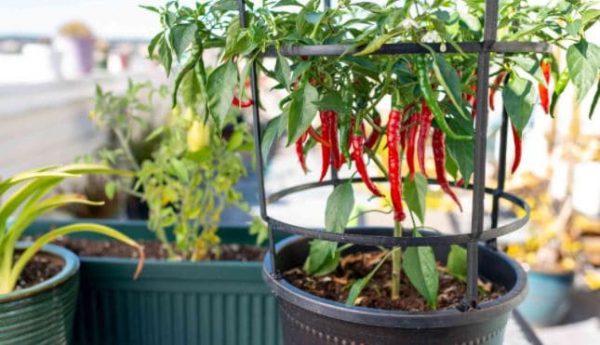
For those who like spicy foods, chili peppers not only provide a spicy kick but can also pack quite a nutritional punch. They are high in vitamins C and A as well as the antioxidant vitamin E. Capsaicin, the substance that gives chilies their heat and zing, is also a powerful anti-inflammatory. Eat them raw in salads or salsa, grind them up to use as a dry rub on meats and fish before grilling.
Banana Plant

While you may not want to eat an entire banana plant (it’s actually considered poisonous), there is nothing wrong with eating its fruit! However, keep in mind that if eaten raw it tastes very bitter so it works best when cooked into desserts like banana bread or muffins where this bitterness will be masked by other flavors. You can even use some of the leaves when cooking since they impart a wonderful flavor to soups and stews without any adverse effects on your health.
Peppermint

This herb is a natural digestive aid and anti-inflammatory that helps reduce symptoms of irritable bowel syndrome (IBS), diarrhea, nausea, cramps, and other stomach problems. It’s also great for migraine headaches since it contains the pain reliever menthol – just be careful not to use too much! Never drink peppermint tea while pregnant or breastfeeding without first checking with your doctor though because this powerful plant can stimulate uterine contractions which may lead to miscarriage in some women.